

 Dec 17, 2025


In the rapidly evolving world of technology, the demand for efficient and reliable power sources is ever-increasing. Among the myriad of options available, the 3.2V 18500 LiFePO4 battery stands out for its exceptional qualities and benefits. This article will delve into the specifics of these batteries, their benefits, and the manufacturing process behind them.
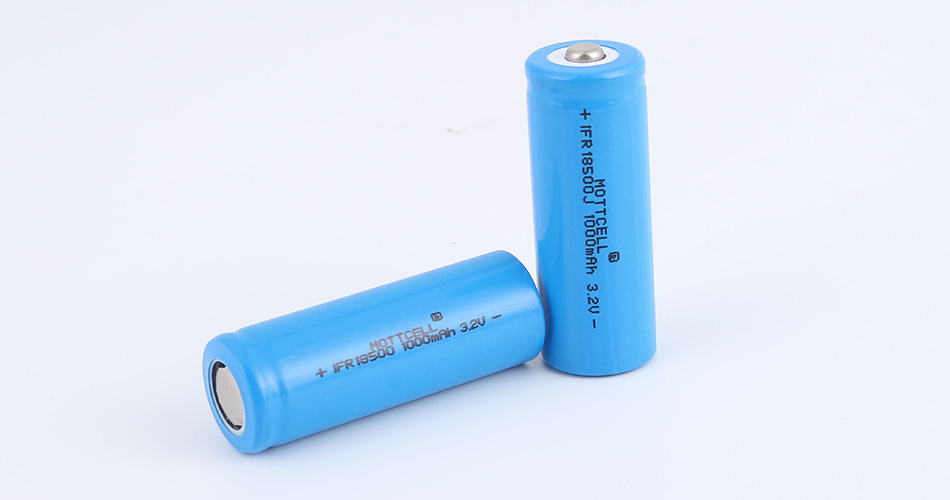
Before we dive into the benefits and specifications, it’s important to understand what a 3.2V 18500 LiFePO4 battery is. This type of battery belongs to the lithium iron phosphate (LiFePO4) family, known for its stability and safety. The "18500" in its name refers to the battery's dimensions: 18mm in diameter and 50mm in length. These dimensions make it slightly smaller than the more commonly known 18650 battery, yet it packs a powerful punch.
The 18500 LiFePO4 battery offers a voltage of 3.2 volts and typically has a capacity ranging from 1000mAh to 1500mAh. This makes it an excellent choice for applications requiring a balance of size, weight, and power. It's often used in devices like flashlights, small electronics, and certain home appliances.
LiFePO4 batteries are gaining popularity due to their numerous advantages over other types of lithium-ion batteries. Here are some of the key benefits:
One of the most significant advantages of LiFePO4 batteries is their safety. Unlike other lithium-ion batteries, LiFePO4 batteries have a stable chemical composition that reduces the risk of overheating and combustion. This makes them a safer option for a wide range of applications.
LiFePO4 batteries are known for their long cycle life. They can be charged and discharged up to 2000 times or more, which is significantly higher than other lithium-ion batteries. This durability makes them a cost-effective choice in the long run, as they require fewer replacements.
LiFePO4 batteries are more environmentally friendly compared to other lithium-ion batteries. They do not contain cobalt, which is a toxic element often used in other battery chemistries. Additionally, their long lifespan means fewer batteries are discarded over time, reducing environmental impact.
These batteries maintain a consistent power output throughout their discharge cycle. This means that devices powered by LiFePO4 batteries will operate at a steady performance level until the battery is nearly depleted.

The production of 3.2V 18500 LiFePO4 batteries involves several intricate steps to ensure quality and performance. Here's a simplified overview of the process:
The manufacturing process begins with the preparation of raw materials, including lithium iron phosphate, graphite, and electrolytes. These materials are carefully measured and mixed to create the battery's components.
The mixed materials are then processed into electrodes. The positive and negative electrodes are coated onto metal foils, usually aluminum for the cathode and copper for the anode. These foils are then dried and rolled into thin sheets.
The next step is assembling the battery cells. The electrodes are stacked or wound into a cylindrical shape, and a separator is placed between them to prevent short-circuiting. The assembly is then inserted into a metal casing.
Once the cells are assembled, they are filled with an electrolyte solution that facilitates ion movement between the electrodes. The cells are then sealed to prevent leakage and contamination.
The final step involves charging and discharging the batteries to form the SEI (Solid Electrolyte Interface) layer, which stabilizes the battery. Each battery undergoes rigorous testing to ensure it meets performance and safety standards.
When selecting a factory to produce your 3.2V 18500 LiFePO4 batteries, it's crucial to consider several factors to ensure quality and reliability.
Ensure that the factory adheres to stringent quality control measures and holds relevant certifications, such as ISO 9001, to guarantee the production of high-quality batteries.
A factory with a strong background in battery technology and innovation will be better equipped to produce reliable and efficient batteries. Look for manufacturers that invest in research and development to stay ahead of industry trends.
Depending on your specific requirements, you may need customized battery solutions. Choose a factory that offers flexibility in production and can accommodate your unique needs.
Reliable customer support and after-sales service are essential when dealing with battery manufacturers. Ensure that the factory provides excellent service to address any issues or concerns that may arise.
The 3.2V 18500 LiFePO4 battery is a versatile and reliable power source that offers numerous benefits, including safety, longevity, and environmental friendliness. Understanding its specifications and the manufacturing process can help you make informed decisions when selecting a factory for production. By choosing the right manufacturer, you can ensure that you receive high-quality batteries that meet your specific needs.
In the ever-evolving landscape of technology, staying informed about the latest advancements in battery technology is crucial. The 3.2V 18500 LiFePO4 battery represents a significant step forward in meeting the demands for safer, more efficient, and environmentally friendly power solutions.
24V Battery Pack: Industrial Power for AGV and Solar
24V Battery Pack Manufacturing: Grade A LiFePO4 Precision | Mottcell
Choosing the Best 12.8V Battery Pack: 10-Year ROI Guide | Mottcell
12.8V Battery Pack Manufacturing | 50Ah to 314Ah LiFePO4 | Mottcell
12.8V LiFePO4 Battery Performance: 50Ah-314Ah Specs | Mottcell
12.8V Battery Pack for RV, Marine & Solar | High-Capacity 314Ah | Mottcell
12V Lithium Battery Pack Guide | 100Ah, 200Ah, 280Ah to 314Ah
12V Lithium Battery Pack Manufacturer | 100Ah-314Ah Custom Solutions
Established in 2005
In 2009, it was awarded the title of "National High tech Enterprise"
 zoe@mottcell.net
WhatsApp: 8617388790296
Fax: 86-0755-84042963
Skype: live:b0ebaecbb8782516
WeChat: +8613428749632

 VR show
 CN
CN Home >


