

 Dec 18, 2025


In the rapidly advancing world of technology, the demand for efficient and reliable power sources is ever-increasing. One such power source that has become integral to modern devices is the lithium-ion battery. These batteries have revolutionized the way we power our world, offering a cleaner and more efficient energy solution compared to traditional batteries. Among the various types of lithium-ion batteries, the 18500 lithium-ion battery has carved out a significant niche due to its size and efficiency. Its ability to deliver consistent power in a compact form makes it an attractive option for manufacturers and consumers alike. This article delves into the intricacies of the 18500 lithium-ion battery factory, exploring the manufacturing process, the technology behind these powerful cells, and their applications.
Lithium-ion batteries have become the backbone of portable electronics, electric vehicles, and renewable energy storage solutions. Their popularity is attributed to their high energy density, low self-discharge rate, and long cycle life, which make them ideal for modern technological applications. As our reliance on portable and efficient energy sources increases, the importance of lithium-ion batteries continues to grow. The 18500 lithium-ion battery, in particular, offers a balance between size and capacity, making it a popular choice for a variety of applications. Its versatility in fitting into both small devices and larger power systems highlights its adaptability in the tech-driven world.
The 18500 lithium-ion battery is named for its dimensions: 18mm in diameter and 50mm in length. It's slightly smaller than the more common 18650 battery but offers similar voltage and performance characteristics. This slight difference in size allows for greater flexibility in design, enabling manufacturers to choose the ideal battery size for their specific needs. Its compact size makes it ideal for devices where space is a premium, such as flashlights, medical equipment, and certain power tools. In addition to its size advantage, the 18500 battery offers a reliable power output, making it a favored choice for applications requiring consistent performance.
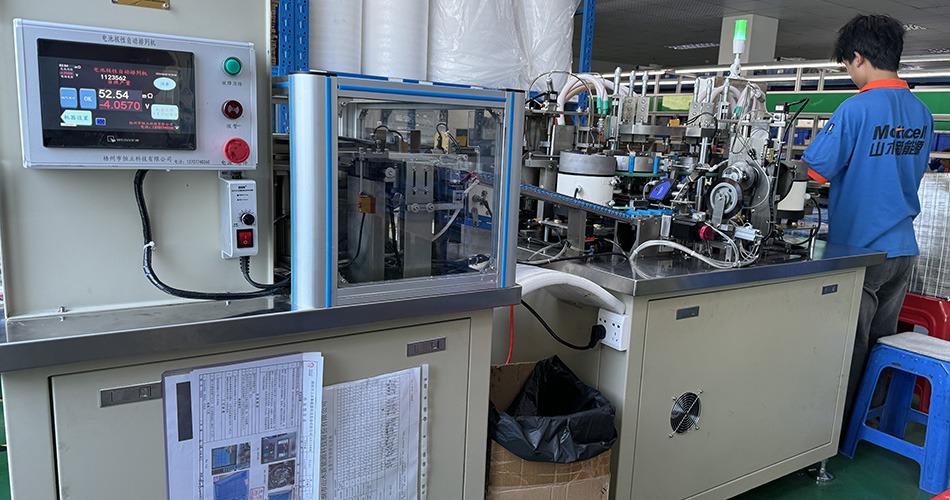
Creating a high-quality 18500 lithium-ion battery involves several meticulous steps. Each step in the process is crucial to ensuring the battery performs optimally and safely throughout its lifespan. The process begins with the selection of raw materials, which are crucial for ensuring the battery's performance and safety. Attention to detail at this stage lays the foundation for a successful battery, as the quality of materials directly affects the efficiency and reliability of the final product.
The core components of a lithium-ion battery include the anode, cathode, electrolyte, and separator. The anode is typically made of graphite, while the cathode is composed of lithium metal oxides. These materials are carefully selected and prepared to maximize the battery's capacity and stability. Additionally, manufacturers must ensure that the raw materials meet stringent quality standards to prevent any potential defects that could compromise safety or performance. By investing in high-quality materials, factories can produce batteries that not only last longer but also perform better under various conditions.
Once the raw materials are prepared, they are processed into electrodes. This involves mixing the active materials with binders and solvents to create a slurry. The slurry is then coated onto metal foils (copper for the anode and aluminum for the cathode) and dried. The dried electrodes are then compressed to ensure uniform thickness and density. This step is vital as it determines the uniformity and efficiency of the battery's energy flow. Precision in electrode manufacturing is key to achieving a battery that performs consistently and safely over multiple charge cycles.
The next step is assembling the battery cell. This involves layering the electrodes with a separator in between to prevent short-circuiting. The layers are then rolled or stacked into a cylindrical shape, characteristic of the 18500 battery. This meticulous assembly process ensures that each component of the battery is correctly aligned and secure. Proper cell assembly is crucial for maximizing the battery's efficiency and lifespan, as any misalignment or defect can lead to reduced performance or safety hazards.
After assembly, the cell is filled with an electrolyte solution, which facilitates the flow of ions between the anode and cathode. This step requires precision to ensure the correct amount of electrolyte is added for optimal performance. The cell is then sealed to prevent any leakage and ensure longevity. Proper sealing is essential to maintain the integrity of the battery, as any exposure to air or moisture can degrade its components and affect its performance. Factories employ advanced sealing technologies to guarantee that each battery remains airtight and ready for use.
The final manufacturing step is the formation process, where the battery is charged and discharged under controlled conditions. This step is crucial for activating the battery and stabilizing its chemistry. Each battery is rigorously tested to ensure it meets quality and safety standards. Testing includes checking for defects, verifying capacity, and ensuring that the battery can withstand various environmental conditions. By conducting thorough testing, manufacturers can ensure that only the highest quality batteries reach the market, providing consumers with reliable and safe power sources.
Lithium-ion battery technology has evolved significantly over the years. The continuous advancements in material science and engineering have led to batteries that are not only more efficient but also safer and more environmentally friendly. These advancements are driven by the growing demand for better energy storage solutions and the need to reduce the environmental impact of battery production. As technology progresses, researchers and manufacturers continue to innovate, pushing the boundaries of what lithium-ion batteries can achieve.
Researchers are constantly exploring new materials to improve the performance of lithium-ion batteries. Innovations such as silicon anodes and solid-state electrolytes hold the potential to increase energy density and reduce charging times. These new materials promise to deliver more power in smaller packages, enhancing the capabilities of devices that rely on lithium-ion technology. Additionally, the pursuit of materials that are more abundant and less harmful to the environment reflects the industry's commitment to sustainability.
Safety is a paramount concern in lithium-ion battery technology. Modern batteries incorporate features such as pressure valves, thermal fuses, and advanced battery management systems to prevent overheating and short-circuiting. These safety features are designed to address the inherent risks associated with high-energy storage devices, ensuring that users can rely on their batteries without fear of accidents. Continuous improvements in safety technology are essential to maintaining consumer confidence and expanding the use of lithium-ion batteries in new applications.
As the demand for lithium-ion batteries grows, so does the need for sustainable manufacturing practices. Many factories are adopting recycling programs and using eco-friendly materials to minimize their environmental impact. Efforts to reduce waste and energy consumption during production are also gaining traction, as companies strive to balance performance with environmental responsibility. By prioritizing sustainability, the industry can contribute to a cleaner future while meeting the growing demand for efficient energy storage solutions.
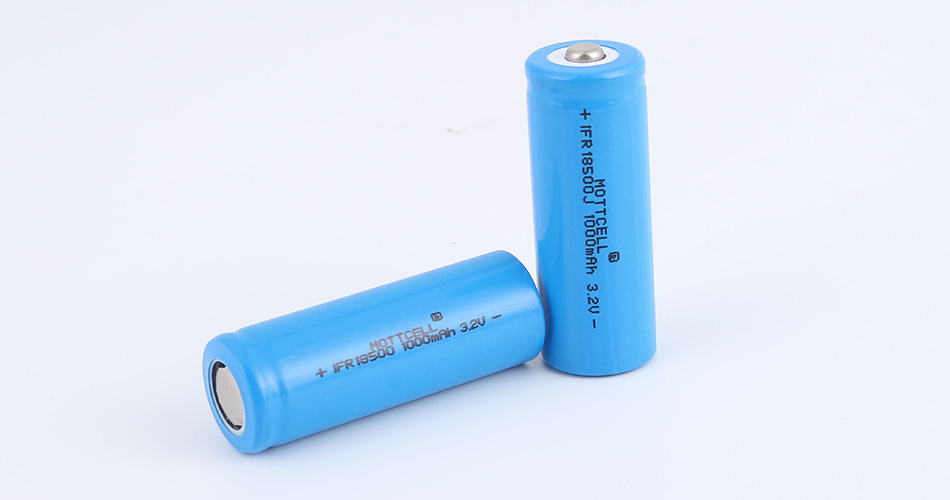
The versatility of the 18500 lithium-ion battery makes it suitable for a wide range of applications. Its ability to provide consistent power in a compact form factor enables its use in various sectors, from consumer electronics to industrial tools. As technology continues to evolve, the demand for reliable and efficient power sources like the 18500 battery is expected to rise, further cementing its place in the market.
The compact size and high energy density of the 18500 battery make it ideal for powering portable electronics such as digital cameras, flashlights, and wireless headphones. These devices benefit from the battery's ability to deliver sustained power without adding excessive bulk or weight. As consumer electronics become more advanced, the need for efficient and long-lasting batteries like the 18500 will only increase, driving innovation in battery technology.
In the medical field, reliability and performance are critical. The 18500 battery is often used in portable medical devices, including glucose monitors and infusion pumps, where consistent power is essential. The battery's stability and efficiency make it a trusted choice for medical professionals who rely on uninterrupted operation to deliver patient care. As medical technology advances, the demand for high-performing batteries that can support new and innovative devices is likely to grow.
For industrial applications, the 18500 battery offers the power needed for cordless tools and equipment. Its robust performance ensures tools can operate efficiently in demanding environments. The battery's durability and reliability make it suitable for use in settings where performance cannot be compromised. As industries seek to improve productivity and reduce downtime, the adoption of advanced battery technologies like the 18500 is set to increase.
The 18500 lithium-ion battery factory plays a crucial role in powering the future of technology. Through advanced manufacturing processes and continuous innovation, these factories produce batteries that meet the demands of modern devices. The commitment to quality and innovation ensures that the 18500 battery remains a competitive and reliable choice in the energy storage market. As technology continues to evolve, the importance of efficient and reliable power sources like the 18500 lithium-ion battery will only grow. Whether in consumer electronics, medical devices, or industrial tools, these batteries are set to remain a cornerstone of technological advancement.
By understanding the intricacies of the 18500 lithium-ion battery and its manufacturing process, we can appreciate the effort and precision that goes into creating these essential components of our daily lives. As we look to the future, the potential for further innovation and application is immense, promising even more efficient and sustainable power solutions for the years to come. The ongoing advancements in battery technology and manufacturing practices will undoubtedly lead to a new era of energy storage, where efficiency, safety, and sustainability are at the forefront of development.
24V Battery Pack: Industrial Power for AGV and Solar
24V Battery Pack Manufacturing: Grade A LiFePO4 Precision | Mottcell
Choosing the Best 12.8V Battery Pack: 10-Year ROI Guide | Mottcell
12.8V Battery Pack Manufacturing | 50Ah to 314Ah LiFePO4 | Mottcell
12.8V LiFePO4 Battery Performance: 50Ah-314Ah Specs | Mottcell
12.8V Battery Pack for RV, Marine & Solar | High-Capacity 314Ah | Mottcell
12V Lithium Battery Pack Guide | 100Ah, 200Ah, 280Ah to 314Ah
12V Lithium Battery Pack Manufacturer | 100Ah-314Ah Custom Solutions
Established in 2005
In 2009, it was awarded the title of "National High tech Enterprise"
 zoe@mottcell.net
WhatsApp: 8617388790296
Fax: 86-0755-84042963
Skype: live:b0ebaecbb8782516
WeChat: +8613428749632

 VR show
 CN
CN Home >


