

 Dec 23, 2025


Exploring the world of lithium iron phosphate (LiFePO4) batteries can be quite fascinating, especially when it comes to understanding how they are manufactured. The 14430 LiFePO4 battery is particularly interesting due to its balance of safety, longevity, and efficiency. This article provides a comprehensive look at the manufacturing process of the 14430 LiFePO4 battery, giving insights into the intricate steps involved.
Before diving into the manufacturing process, it's essential to understand what makes the lithium iron phosphate battery stand out.
LiFePO4 batteries are a type of rechargeable battery, known for their high energy density, thermal stability, and safety. Unlike other lithium-ion batteries, they use iron phosphate as a cathode material, which provides several advantages, such as a longer life cycle and resistance to overcharging.
The numbers in "14430" refer to the battery's dimensions: 14mm in diameter and 43mm in length. This size is popular for various applications, including in electric vehicles, power tools, and portable electronics, due to its compact size and reliable performance.
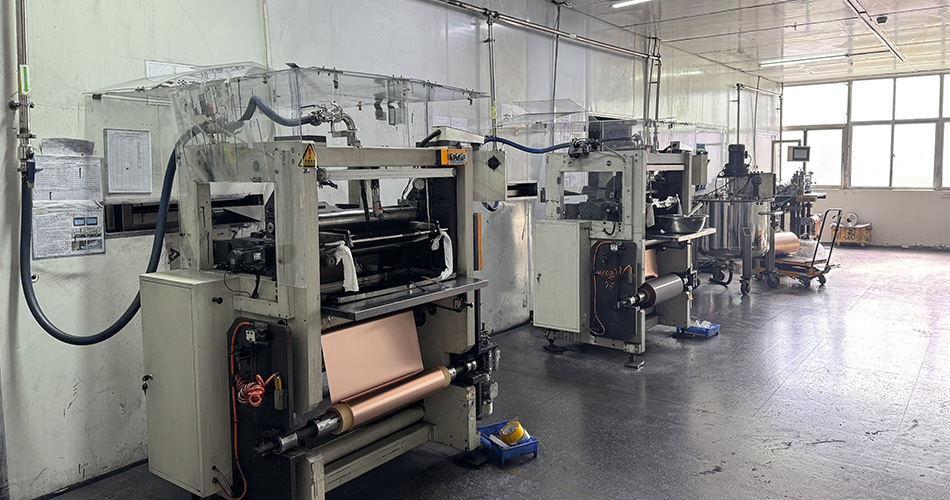
The manufacturing of these batteries involves several meticulous steps, each crucial to ensure the quality and performance of the final product.
The journey of a 14430 LiFePO4 battery begins with the preparation of raw materials. High-quality lithium, iron, and phosphate are procured, ensuring they meet the required purity levels. These materials are then measured and mixed to create the active material for the battery.
The mixed raw materials are processed to form the cathode. This involves coating the material onto an aluminum foil, which is then dried and cut into the desired shape. Concurrently, the anode is produced using a similar process, typically with graphite coated on copper foil.
With the cathode and anode ready, the next step is to assemble the electrodes. This involves stacking or winding the electrodes together with a separator in between, which prevents short-circuiting while allowing ions to pass through.
Once the electrodes are assembled, they are placed into a cylindrical casing. For the 14430 LiFePO4 battery, this casing is precisely sized to fit the 14mm by 43mm dimensions. The cell is then filled with an electrolyte solution, which facilitates the movement of ions between the anode and cathode.
After filling, the cell is sealed to prevent leakage of the electrolyte and ingress of moisture. The sealed cells undergo a formation process, which involves charging and discharging the battery to activate the materials and ensure proper functionality.
Ensuring the quality of 14430 LiFePO4 batteries is paramount. Rigorous testing and inspection processes are in place to detect any defects or inconsistencies.
Each batch of batteries undergoes thorough testing to verify capacity, voltage, and overall performance. This step is crucial in identifying any defective cells that could affect the battery's reliability.
Manufacturers adhere to strict safety standards and protocols to ensure that each battery is safe for use. This includes testing for thermal stability, resistance to overcharging, and mechanical stress.
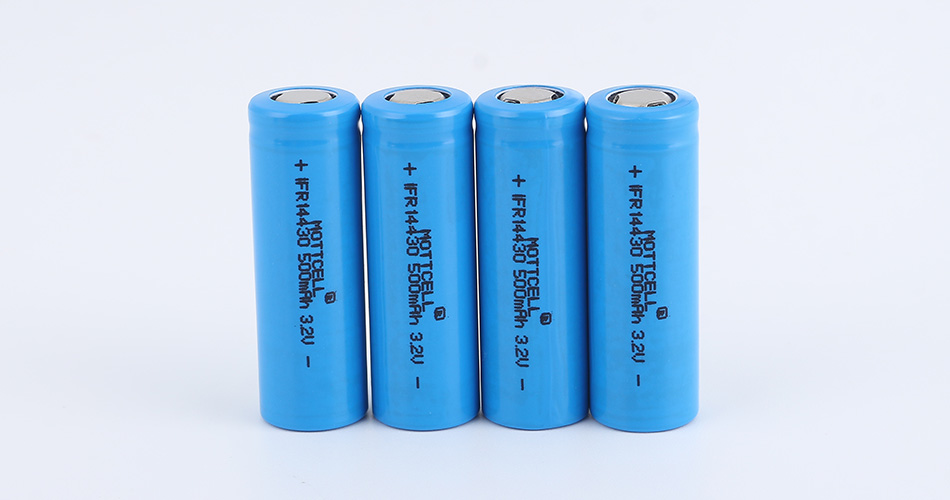
The field of lithium iron phosphate battery manufacturing is constantly evolving, with new technologies and processes being developed to enhance efficiency and performance.
Many 14430 LiFePO4 battery factories are incorporating automation and robotics into their production lines. This not only speeds up the manufacturing process but also reduces the risk of human error, leading to more consistent quality.
Environmental sustainability is becoming increasingly important in battery manufacturing. Factories are implementing practices to minimize waste, recycle materials, and reduce energy consumption, making the production process more eco-friendly.
Looking ahead, the demand for 14430 LiFePO4 batteries is expected to grow, driven by their application in emerging technologies and the push for renewable energy solutions.
As technology advances, new applications for these batteries continue to emerge. From powering the latest gadgets to supporting renewable energy systems, the versatility of 14430 LiFePO4 batteries makes them a key player in the future of energy storage.
Ongoing research and development efforts aim to further improve the performance and cost-effectiveness of LiFePO4 batteries. Innovations in material science and engineering could lead to even longer-lasting and more efficient batteries.
In conclusion, the manufacturing process of 14430 LiFePO4 batteries is a complex and precise operation that combines chemistry, engineering, and technology. Understanding this process not only highlights the ingenuity involved in battery production but also underscores the importance of continued innovation in this field. As demand for efficient and sustainable energy storage solutions grows, the role of LiFePO4 batteries will undoubtedly become more significant.
Top 3.2V 14430 Cylindrical Battery Supplier
Top 14430 Cylindrical Battery Supplier: Key Factors & Benefits
3.2V 14430 Battery Factory Insights & Manufacturing
14430 Cylindrical Battery Manufacturing Insights
Top 3.2V 14430 Battery Manufacturer: Quality & Reliability
Top 14430 Cylindrical Battery Manufacturers
Top 3.2V 14430 Lithium Ion Battery Suppliers
Top 14430 Lithium Ion Battery Supplier Guide
Established in 2005
In 2009, it was awarded the title of "National High tech Enterprise"
 zoe@mottcell.net
WhatsApp: 8617388790296
Fax: 86-0755-84042963
Skype: live:b0ebaecbb8782516
WeChat: +8613428749632

 VR show
 CN
CN Home >


