

 Dec 23, 2025


In the world of rechargeable batteries, the 3.2V 14430 LiFePO4 battery stands out due to its safety, efficiency, and long life. This type of battery is a part of the lithium iron phosphate family and is widely used in various applications from small electronic devices to more demanding energy storage solutions. But what goes on behind the scenes at a lithium battery factory that produces these powerful cells? Let's explore the intricacies of a 3.2V 14430 LiFePO4 battery factory.
Before we dive into the factory processes, it's important to understand what makes lithium iron phosphate (LiFePO4) batteries unique. LiFePO4 is a type of lithium-ion battery that uses iron phosphate as the cathode material. This composition offers several advantages over other lithium battery types:
Safety: LiFePO4 batteries are less prone to thermal runaway and overheating, making them one of the safest lithium battery options available.
Long Life Cycle: They have a significantly longer cycle life, with some models offering up to 2000 cycles.
Stable Voltage: These batteries provide a stable voltage output throughout their discharge cycle.
Environmentally Friendly: The materials used are more eco-friendly compared to other battery types.
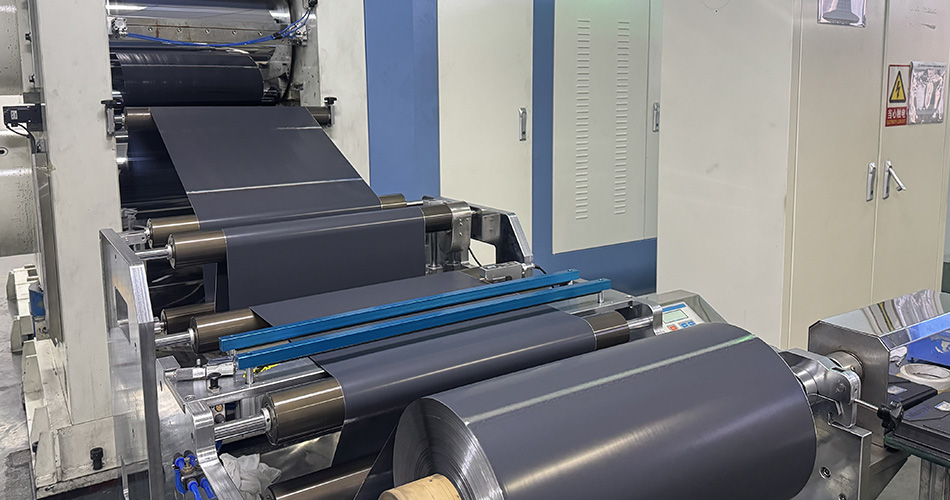
The journey of a 3.2V 14430 LiFePO4 battery begins with the procurement of high-quality raw materials. Key materials include lithium iron phosphate, graphite, electrolytes, and separators. These materials must meet stringent quality standards to ensure the safety and efficiency of the final product.
Once raw materials are received, the next step is the preparation of electrodes. This involves mixing the active materials with conductive additives and binders to form a slurry. The slurry is then coated onto a metal foil substrate, typically aluminum for the cathode and copper for the anode. After coating, the electrodes are dried and rolled to the desired thickness.
In the cell assembly stage, the prepared electrodes are cut into appropriate sizes and stacked with separators in between. This forms the cell's core. The assembly is placed into a battery case, and electrolyte is added to facilitate ion movement between the electrodes. The casing is then sealed to prevent leakage and contamination.
After assembly, cells undergo a formation process where they are charged and discharged under controlled conditions. This helps to stabilize the cell chemistry and improve performance. The cells are then aged for a period to ensure they meet performance standards and are free of defects.
Quality control is a critical part of the manufacturing process. Each battery cell is subjected to rigorous testing to ensure it meets safety and performance criteria. Tests include capacity verification, voltage checks, and thermal stability assessments. Only those that pass are approved for shipment.
The 3.2V 14430 LiFePO4 battery is versatile and finds applications across various sectors:
Consumer Electronics: They are used in portable devices such as flashlights, remote controls, and small gadgets.
Renewable Energy Storage: Due to their long life and stability, they are ideal for solar and wind energy storage systems.
Electric Vehicles (EVs): LiFePO4 batteries are increasingly used in electric bicycles and small EVs due to their safety and performance.
Backup Power Supplies: Their reliability makes them suitable for UPS systems and emergency lighting.
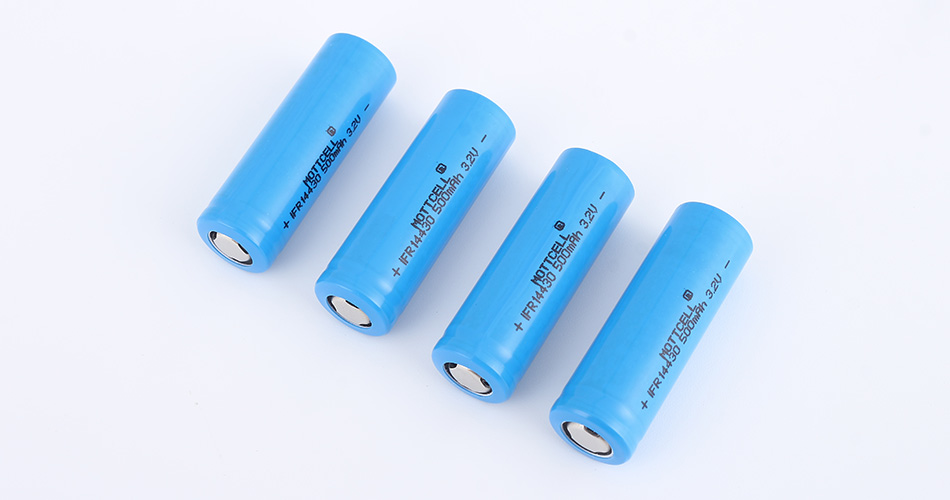
When selecting a lithium battery factory for sourcing 3.2V 14430 LiFePO4 batteries, quality and reliability should be top priorities. A reputable factory will have:
Advanced Technology: Utilization of state-of-the-art equipment and processes to ensure high-quality battery production.
Quality Assurance Protocols: Robust testing and quality control measures to guarantee product safety and performance.
Compliance with Standards: Adherence to international standards and regulations to ensure environmental and safety compliance.
As the demand for efficient and safe energy storage solutions grows, the LiFePO4 battery industry is poised for significant advancements. Some emerging trends include:
Automation and AI: Increasing use of automation and artificial intelligence in manufacturing to enhance precision and reduce production costs.
Sustainable Practices: Adoption of more sustainable production methods to minimize environmental impact.
Research and Innovation: Ongoing research to improve energy density and cycle life, making LiFePO4 batteries even more competitive.
In conclusion, the 3.2V 14430 LiFePO4 battery is a cornerstone of modern energy solutions, offering a safe and efficient power source for various applications. Understanding the manufacturing process and the factors that contribute to their quality can help consumers and businesses make informed decisions when selecting a lithium battery factory.
24V Battery Pack: Industrial Power for AGV and Solar
24V Battery Pack Manufacturing: Grade A LiFePO4 Precision | Mottcell
Choosing the Best 12.8V Battery Pack: 10-Year ROI Guide | Mottcell
12.8V Battery Pack Manufacturing | 50Ah to 314Ah LiFePO4 | Mottcell
12.8V LiFePO4 Battery Performance: 50Ah-314Ah Specs | Mottcell
12.8V Battery Pack for RV, Marine & Solar | High-Capacity 314Ah | Mottcell
12V Lithium Battery Pack Guide | 100Ah, 200Ah, 280Ah to 314Ah
12V Lithium Battery Pack Manufacturer | 100Ah-314Ah Custom Solutions
Established in 2005
In 2009, it was awarded the title of "National High tech Enterprise"
 zoe@mottcell.net
WhatsApp: 8617388790296
Fax: 86-0755-84042963
Skype: live:b0ebaecbb8782516
WeChat: +8613428749632

 VR show
 CN
CN Home >


