

 Feb 24, 2026


In 2026, the industrial landscape is undergoing a massive shift. Factory owners and procurement specialists are no longer just looking for power; they are seeking sustainable, long-term energy strategies. As global demand for energy storage increases, the transition from single-use disposables to advanced rechargeable batteries has become a cornerstone of profitable, eco-conscious manufacturing.
At Mottcell, we understand that for a factory-level client, a battery isn't just a component—it's a recurring cost center that can either drain your budget or fuel your growth. This guide explores why the switch to high-performance rechargeable aa batteries and specialized 18650 rechargeable battery systems is the smartest financial move your business can make this year.
| Comparison Metric (5 Years) | Single-Use (Disposable) | Mottcell Rechargeable (LiFePO4) |
| Initial Purchase Price | Low ($) | Moderate ($$$) |
| Quantity Needed | 2,000 Units (Replacements) | 1 Unit (2000+ Cycles) |
| Maintenance & Labor | High (Frequent Swapping) | Near Zero |
| Waste Disposal Fee | Significant (Hazardous Waste) | Minimal |
| Total 5-Year Cost | Highest (10x) | Lowest (Baseline) |
For decades, the choice between standard batteries and rechargeable batteries was often decided by upfront cost. However, in 2026, the "Total Cost of Ownership" (TCO) model has proven that single-use alkaline cells are an industrial liability.
Modern industrial audits now utilize LCA to measure the environmental and economic impact of power sources. While a single-use battery has a lower initial price, its "endpoint indicators"—including global warming potential and acidification from disposal—are significantly higher than a rechargeable battery.
Operational Interruptions: Constant battery swaps in barcode scanners and wireless sensors lead to "micro-downtime" that costs factories hundreds of man-hours annually.
Regulatory Compliance: New EU and global battery regulations in 2026 mandate stricter producer responsibility. Moving to rechargeables simplifies compliance and reduces waste-management overhead.
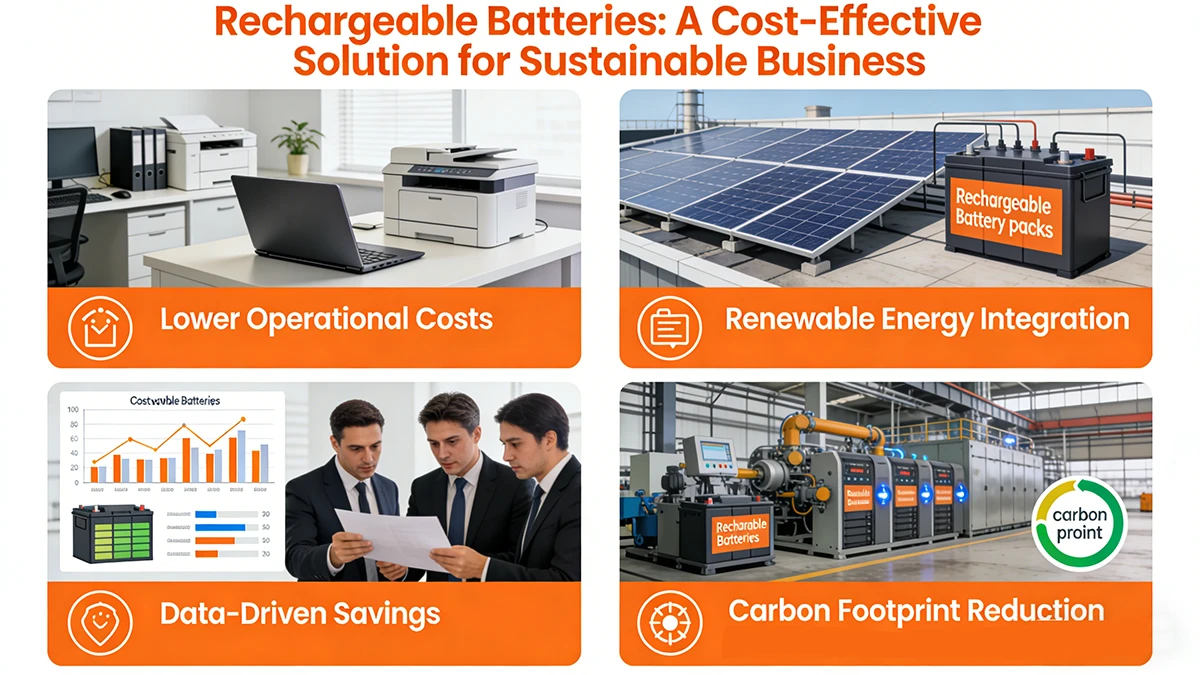
The most common power format on the factory floor is the AA. Whether it's for handheld diagnostic tools or digital multimeters, the rechargeable aa batteries of today are engineered for high-drain industrial environments.
When sourcing as an OEM, it is vital to distinguish between consumer-grade and industrial-grade cells. A professional AA rechargeable battery manufacturer like Mottcell focuses on:
Consistent Material Distribution: Utilizing hydrodynamic shear mixing during the coating process to prevent internal defects.
Low Self-Discharge (LSD): Modern NiMH and Lithium-ion cells retain up to 80% capacity even after 12 months in storage, ensuring emergency equipment is always ready.
At our AA rechargeable battery factory, we leverage a full traceability system. From slurry mixing to vacuum drying and electrolyte filling, every rechargeable battery battery is tracked via a QR code (complying with the 2026 "Battery Passport" requirements). As a trusted AA rechargeable battery supplier, we ensure that your supply chain is resilient and transparent.
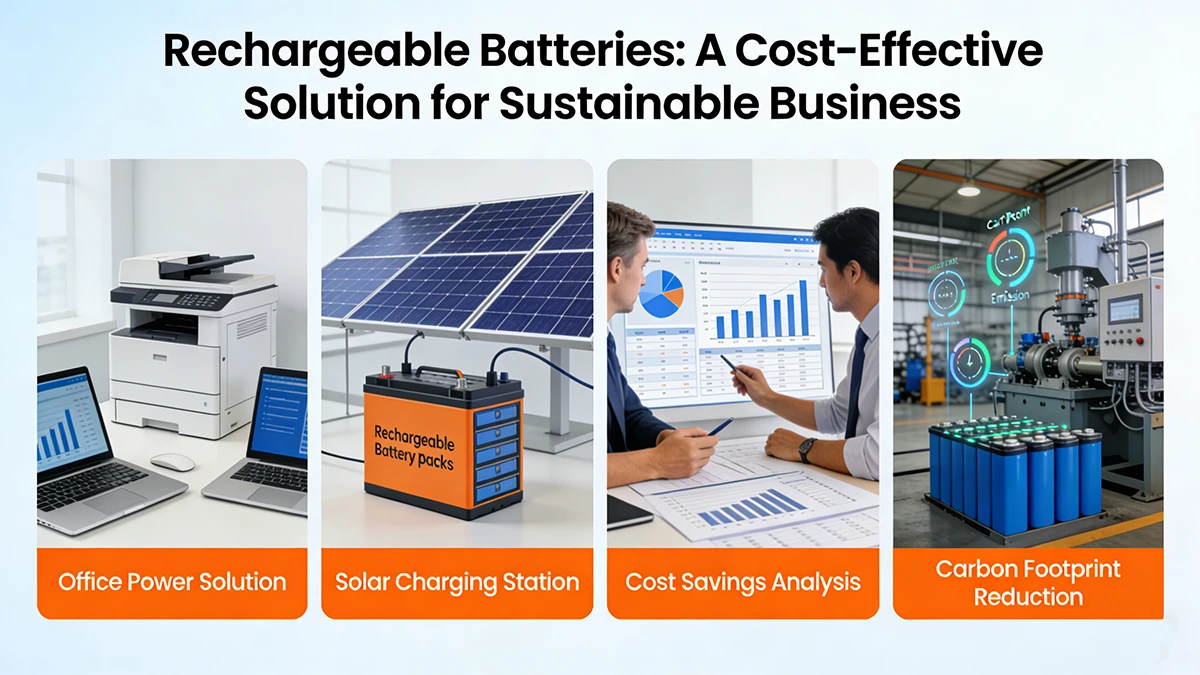
One of the most significant technical shifts in 2026 is the adoption of the 3.7V AA rechargeable battery (technically the 14500 format). While standard AAs provide 1.2V to 1.5V, the 3.7V lithium-ion version offers more than double the voltage in the exact same physical footprint.
Higher Energy Density: Allows for the design of more compact, powerful handheld devices.
Weight Reduction: Lithium-ion 14500 cells are significantly lighter than NiMH alternatives, reducing the weight of portable diagnostic gear.
Voltage Stability: 3.7V cells maintain a flat discharge curve, whereas 1.5V alkaline cells drop voltage linearly, leading to performance degradation.
Mottcell operates as a leading 3.7V AA rechargeable battery manufacturer, specializing in both Lithium Cobalt Oxide (for capacity) and Lithium Iron Phosphate (for safety). As a 3.7V AA rechargeable battery factory, we integrate high-end protection circuits into every cell to prevent over-voltage—a critical safety feature that sets us apart as a 3.7V AA rechargeable battery supplier.
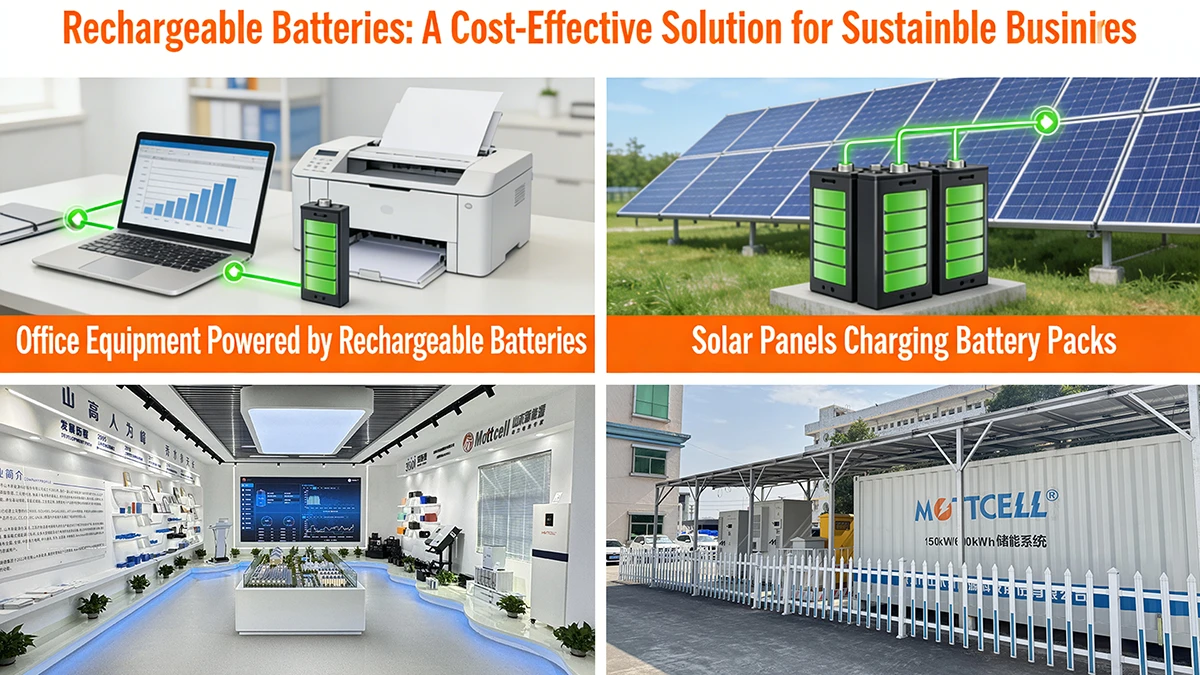
If the AA is the "standard," the 18650 rechargeable battery is the "muscle" of the industrial world. With the 2026 market seeing record-low prices for Lithium Iron Phosphate (LFP) chemistries, the 18650 format has become more accessible than ever.
Graphene Enhancement: Some 2026 variants utilize graphene frameworks in the electrodes to improve micro-conductivity and safety, potentially allowing for up to 30,000 cycles in extreme temperatures.
High Discharge Rates: Capable of handling the surge currents required by industrial motors and AGVs (Automated Guided Vehicles).
Scalability: Individual cells can be spot-welded into modular packs for everything from telecom backups to large-scale Energy Storage Systems (ESS).
Shifting to best rechargeable batteries is no longer just about buying a product; it’s about participating in a circular economy. In 2026, the economic case for battery recycling is clear: recovered materials have up to 10 times higher value than virgin materials mined traditionally.
Yes, most industrial lithium batteries (Li-ion, LFP) are rechargeable. For a commercial business, rechargeable batteries are worth it due to the massive reduction in procurement cycles and the elimination of hazardous waste disposal fees.
While Mottcell focuses on smaller form factors, the principle for an auto battery is the same: it typically takes 12–24 hours on a trickle charger or 2–4 hours on a professional high-speed unit. While driving, it takes approximately 30–60 minutes for an alternator to significantly recharge auto battery levels.
While Lithium Titanate (LTO) offers extreme cycle life (20,000+), its disadvantages include lower energy density (requiring a larger physical footprint) and a lower nominal voltage (2.3V–2.4V), which often makes standard 3.7V 18650 rechargeable battery solutions more cost-effective for 95% of industrial projects.
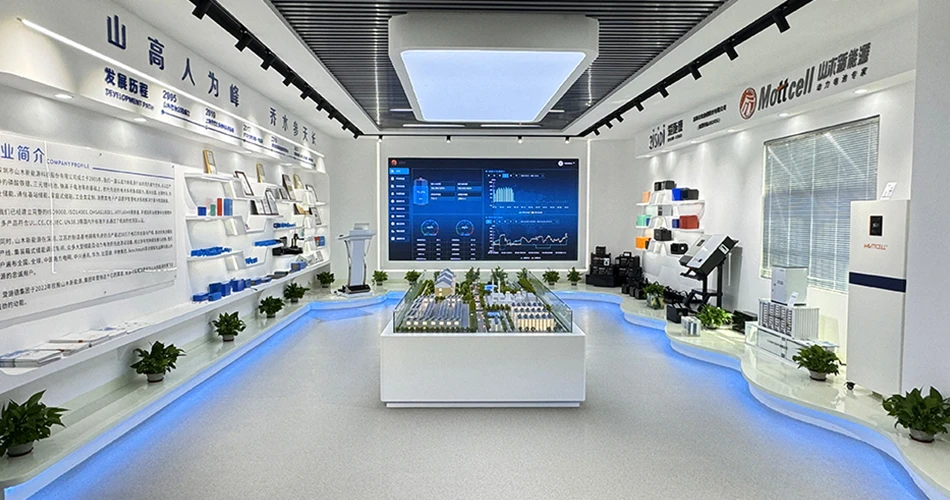
The debate between batteries and rechargeable batteries is settled by the numbers. For the modern factory, the rechargeable battery is a strategic asset. Whether you require the versatility of rechargeable aa batteries or the high-output density of the 18650 rechargeable battery, Mottcell provides the ISO-certified quality and global logistics your business demands.
Contact us for a custom [cylindrical battery pack solution]
Related News
14650 Rechargeable Battery Factory: Power & Innovation
4860 Rechargeable Battery Manufacturer for High-Performance OEM Packs Meta Description
High-Quality 3.2V 16340 Lithium Ion Battery Factory
26700 Rechargeable Battery Manufacturer for OEM Applications
48V 280Ah HESS Supplier: Solar Battery OEM Buying Guide
12V 314Ah Battery Pack Manufacturer: OEM Buying Guide
48V 300Ah HESS Supplier: Voltage, Runtime and OEM Guide
48V 100Ah HESS Supplier: 5.12kWh Solar OEM Buying Guide
12.8V 200Ah Battery Pack Factory: OEM Sourcing Guide
Commercial HESS Supplier: Factory Microgrid Sizing Guide
51.2V HESS Battery Supplier: 100Ah to 314Ah Capacity Guide
12V LiFePO4 Battery Pack Manufacturer: 50Ah-314Ah OEM Guide
Established in 2005
In 2009, it was awarded the title of "National High tech Enterprise"
 zoe@mottcell.net
WhatsApp: 8617388790296
Fax: 86-0755-84042963
Skype: live:b0ebaecbb8782516
WeChat: +8613428749632

 VR show
 CN
CN Home >


