

 May 17, 2026


As industrial electrification accelerates in 2026, engineering directors, fleet operation managers, and chief procurement officers face an increasingly complex technical landscape. Selecting a mid-to-high capacity power platform is no longer just about matching voltage and dimensions; it is a critical calculation of lifecycle value, operational uptime, and safety integration. Among the various industrial configurations available today, the 36v 300ah battery pack has emerged as a highly versatile and dominant architecture.
Delivering a massive 10.8 kilowatt-hours (10.8 kWh) of raw energy storage in a centralized enclosure (36V x 300Ah = 10,800Wh), this specific capacity block represents a vital performance tier. It bridges the gap between light commercial mobility and heavy-duty industrial stationary applications.
However, moving to a 10.8 kWh lithium platform requires an advanced understanding of thermal dynamics, Battery Management System (BMS) telemetry, and structural engineering. For enterprise B2B buyers, sourcing from an authoritative 36v 300ah battery pack manufacturer involves evaluating how internal manufacturing tolerances affect the long-term operational costs (OpEx) of your entire hardware fleet.
To evaluate a 36v 300ah battery pack, engineering teams must look past the external casing and examine the internal cell matrix. Achieving 300Ah of capacity at a nominal 36V platform typically involves utilizing large-format, prismatic Lithium Iron Phosphate (LiFePO4) cells arranged in a specific series-parallel (S-P) grid structure. In most high-reliability industrial layouts, an 11S or 12S configuration is deployed to provide a stable operating voltage window that integrates cleanly with heavy-duty electric motors and multi-kilowatt inverters.
Specification Parameter | Technical Standard & Configuration |
Nominal Energy Capacity | 10.8 kWh (Calculated as 36V x 300Ah) |
Cell Configuration Matrix | 11S / 12S Prismatic LiFePO4 Grade A Cells |
Sustained C-Rate Load | 1C - 2C Continuous Discharge Capability |
Smart System Interface | CANbus / RS485 / Modbus Telemetry Integration |
The core advantage of LiFePO4 chemistry at this capacity scale is its inherent thermal and chemical stability. Unlike volatile nickel-manganese-cobalt (NMC) alternatives, LiFePO4 cells resist thermal runaway even under high mechanical shock or localized short circuits.
However, managing a 300Ah capacity cell block requires precise mechanical compression and high-conductivity busbar integration. Because large-format prismatic cells expand and contract slightly during intensive charge and discharge cycles, the structural enclosure must feature built-in breathing tolerances alongside high-pressure compression plates.
Without this industrial-grade mechanical design, localized micro-vibrations can weaken internal weld points over time, leading to elevated internal resistance and premature module failure. Enterprise buyers must verify that their chosen 36v 300ah battery pack supplier implements heavy-duty internal structural reinforcing frames rather than simply potting unconstrained cells in structural foam.
Furthermore, electrical efficiency under sustained loads determines whether your machinery can achieve its target work cycles. When heavy industrial equipment draws high continuous currents, even fractional variations in cell resistance can cause uneven heat generation across the pack. This thermal variance can trigger early cell balancing cut-offs, reducing the usable capacity of the system.
To prevent these systemic power bottlenecks, procurement teams must ensure their hardware achieves the verified
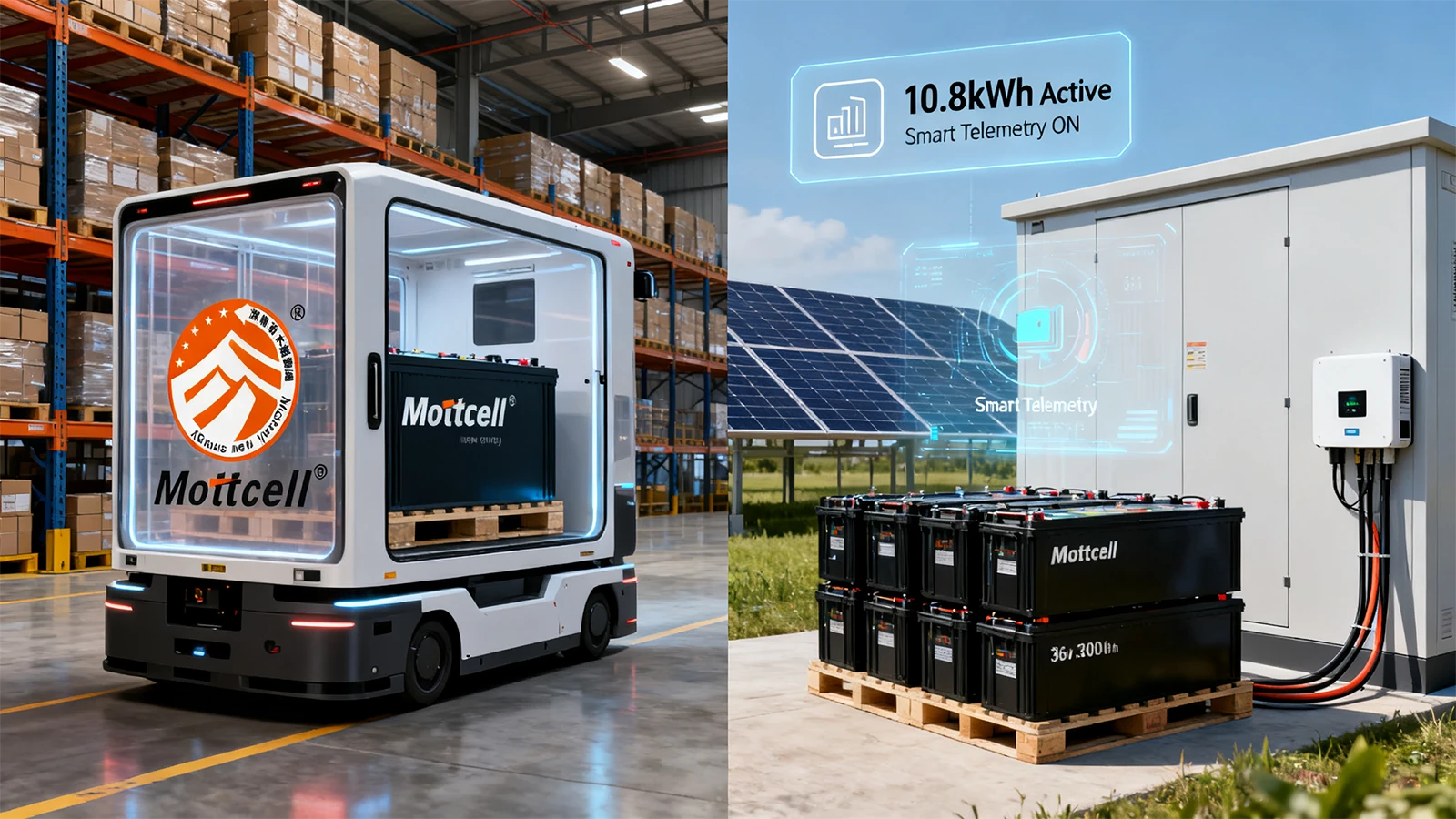
The deployment of the 36v 300ah battery pack spans multiple fast-growing commercial sectors in 2026. Because a single 10.8 kWh block offers an excellent balance between physical weight and energy density, it has become the standard upgrade path for industries looking to phase out legacy lead-acid batteries.
In commercial facility management and large-scale resort operations, fleet electrification relies heavily on robust 36V power systems. Sourcing a specialized 36v 300ah battery pack for golf cart fleets, airport utility tuggers, and multi-passenger hospitality transport vehicles fundamentally transforms operational economics.
Legacy lead-acid setups require regular water maintenance, suffer from significant efficiency drops in cold environments, and demand long 8-to-10 hour charging windows. Upgrading to a custom LiFePO4 300Ah block slashes charging windows down to less than two hours via 0.5C to 1C rapid charging protocols.
Additionally, it completely eliminates daily maintenance labor and drops vehicle weight by several hundred pounds, resulting in drastically reduced wear and tear on vehicle brakes, suspensions, and tires.
Modern smart warehouses operate on relentless, 24/7 schedules where every minute of vehicle downtime equals lost revenue. Large-format automated guided vehicles (AGVs), autonomous mobile robots (AMRs), and electric pallet jacks utilize the 300Ah platform to achieve continuous operation.
Through opportunistic charging strategies—where the vehicle pulls into a high-powered charging station for 15 minutes during shift changes or natural operational lulls—a 300Ah pack can run indefinitely without needing to be swapped out. This eliminates the need for expensive battery-swapping infrastructure and dedicated battery charging rooms, allowing facilities to reclaim valuable warehouse square footage for inventory storage.
Beyond mobile applications, the demand for a reliable 36v 300ah battery pack for solar system installations is accelerating among remote telecom stations, agricultural irrigation setups, and off-grid commercial outposts. When deployed as a 36v 300ah for energy storage system (ESS), these packs act as critical buffers against localized power grid volatility.
System Component Layer | Functional Role in Energy Infrastructure |
Energy Input Generation | Solar Array / Off-Grid Renewable Input Power |
Storage Infrastructure Core | 36V 300Ah Battery Pack Matrix (10.8kWh Nominal Capacity) |
Management Control Dashboard | Smart BMS Control Platform with Active Temperature Controls |
Output Delivery Interface | Industrial Grade Inverter / Heavy-Duty Motor Load Power |
Real-Time Data Feedback | Continuous CANbus Telemetry Operational Streams |
The 10.8 kWh capacity is ideally sized to absorb daily solar production surges and discharge them smoothly over extended nighttime operational periods, protecting sensitive monitoring and communication electronics from blackouts or power spikes. To explore the full physical specifications, layout drawings, and scaling possibilities of these systems, procurement managers can review the
For a 10.8 kWh battery block to survive the demanding environments of heavy industry, manufacturing precision must be strictly maintained at the factory level. This is where the principles of E-E-A-T (Experience, Expertise, Authoritativeness, and Trustworthiness) become critical for evaluating supply chain partners. Sourcing from a generic assembly shop that manually connects cells with simple spot-welding tools introduces severe operational risks into your equipment rollout.
True reliability requires an advanced, fully automated 36v 300ah battery pack factory infrastructure. At this scale, cell matching is the most critical factor determining overall pack longevity. If a single cell within a series string has a slightly higher internal resistance or a lower self-discharge rate than its neighbors, it will reach its charge or discharge voltage limit prematurely. This forces the entire pack to shut down early to protect that single cell, effectively rendering a portion of your 300Ah investment unusable.
Assembly Workflow Stage | Automated Factory Validation Protocol |
Step 1: OCV/IR Selection | Matches cells down to strict, single-digit millivolt and micro-ohm thresholds |
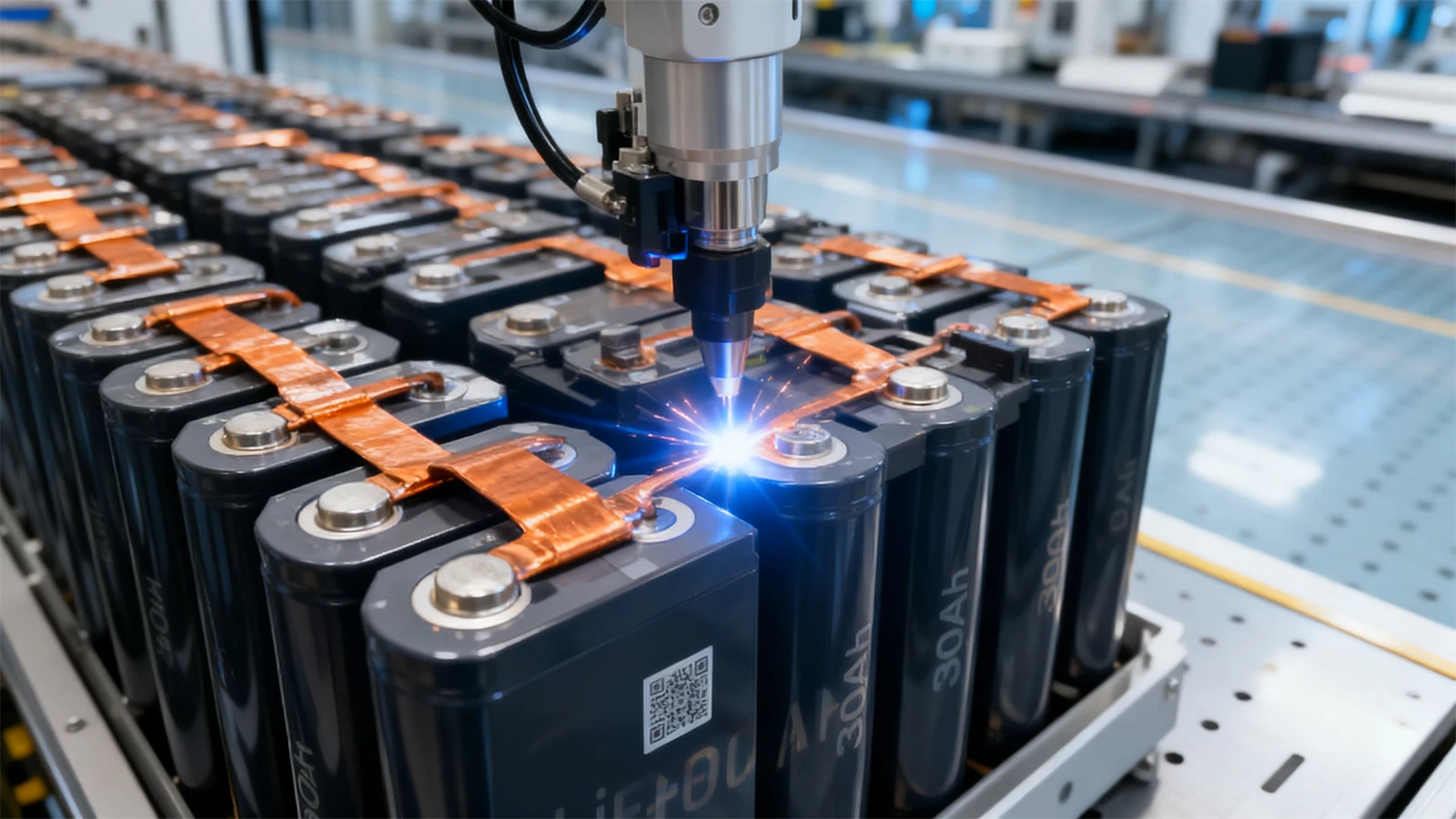
Step 2: Automated Laser Welding | Creates ultra-low resistance metallurgic bonds between terminals and busbars |
Step 3: End-of-Line Verification | Simulates real-world high loads under 100% full capacity deployment |
To prevent this capacity loss, authoritative factories like Mottcell utilize multi-stage automated sorting matrices to test and pair cells based on Open Circuit Voltage (OCV) and Internal Resistance (IR).
Following sorting, cell interconnection must be executed using high-precision robotic laser welding. Laser welding creates an ultra-low resistance metallurgic bond between the cell terminals and the heavy copper busbars, minimizing localized voltage drops and preventing the heat spikes that can accelerate cell aging.
When evaluating potential vendors, engineering managers should look for companies that back their manufacturing with
From a financial perspective, purchasing a high-capacity lithium battery system is an exercise in lifecycle cost optimization. While traditional lead-acid systems or cheap, uncertified lithium imports offer a tempting lower upfront capital expenditure (CapEx), they inevitably impose severe long-term operational costs (OpEx).
Procurement Financial Factor | Generic Uncertified Import Module | Mottcell Custom Engineered Solution |
Upfront CapEx Investment | Low initial cost barrier | Optimized structural investment tier |
True Operational Lifespan | 1,200 - 2,000 charge cycles | 6,000+ deep cycles (Grade A Cells Only) |
OpEx Maintenance Labor | High field replacement frequencies | Zero-maintenance sealed architecture |
Smart BMS Protection | Basic analog safety switch layers | Full CANbus/RS485 predictive telemetry |
Systemic Downtime Impact | Extreme risk of sudden field failure | Near-zero via live predictive analytics |
To maximize ROI, procurement officers must look at the true cost-per-kilowatt-hour delivered over the complete service life of the asset. A premium 36v 300ah battery pack built with Grade A prismatic cells easily achieves over 6,000 deep charge-discharge cycles before its capacity drops to 80% of its original rating. In contrast, standard lead-acid batteries rarely survive past 1,500 cycles under heavy industrial use, and lower-tier lithium alternatives often degrade within 2,500 cycles due to poor cell balancing.
By selecting a power solution designed around
By streaming real-time diagnostic data—such as cell temperature profiles, state of health (SOH) tracking, and individual cell voltage strings—via industrial CANbus or RS485 communication protocols, fleet supervisors can spot and address minor performance anomalies during routine off-hours servicing. This predictive capability eliminates sudden, mid-shift equipment failures, extends the safe operating window of the battery assets, and dramatically lowers the total cost of ownership across your deployment.
Answer: A single 36v 300ah battery pack uses a centralized Smart BMS that manages all cell strings concurrently, eliminating module-to-module balancing errors. It also dramatically reduces physical cable connection complexities and physical failure points within your heavy machinery's chassis.
Answer: While discharging is highly stable from -20°C up to +60°C, charging standard cells below freezing causes permanent capacity loss. To protect your investment, Mottcell incorporates automated internal heating components that preheat the internal cell matrix safely before accepting charge currents.
Answer: Due to the high energy footprint, any 36v 300ah for energy storage system or mobile fleet rollout must feature UN38.3 (safe international transport verification), CE markings, and specialized UL certifications (UL2580 for electric machinery or UL1973 for stationary storage stacks) to clear local regulatory and commercial insurance requirements.
Sourcing an industrial-grade 36v 300ah battery pack should never be treated as a routine, commoditized transaction. It represents a long-term investment in your company's core operational infrastructure. By moving away from generic off-the-shelf catalog models and embracing a custom-engineered, large-format lithium configuration, you systematically eliminate design bottlenecks, secure your supply chain, and maximize long-term operational ROI.
Mottcell blends advanced lithium engineering with full-service OEM customization to deliver certified, high-performance power solutions capable of thriving in the most demanding commercial environments. To evaluate your fleet's specific power metrics, eliminate field failure risks, and secure an expert engineering blueprint tailored to your application, please
48V 100Ah HESS Supplier: 5.12kWh Solar OEM Buying Guide
12.8V 200Ah Battery Pack Factory: OEM Sourcing Guide
Commercial HESS Supplier: Factory Microgrid Sizing Guide
51.2V HESS Battery Supplier: 100Ah to 314Ah Capacity Guide
12V LiFePO4 Battery Pack Manufacturer: 50Ah-314Ah OEM Guide
16kWh HESS Supplier: 51.2V 314Ah Buyer’s Guide
5kWh HESS Supplier: Indoor Modular Battery Buying Guide
48V 200Ah HESS Supplier: Voltage & Inverter Fit Guide
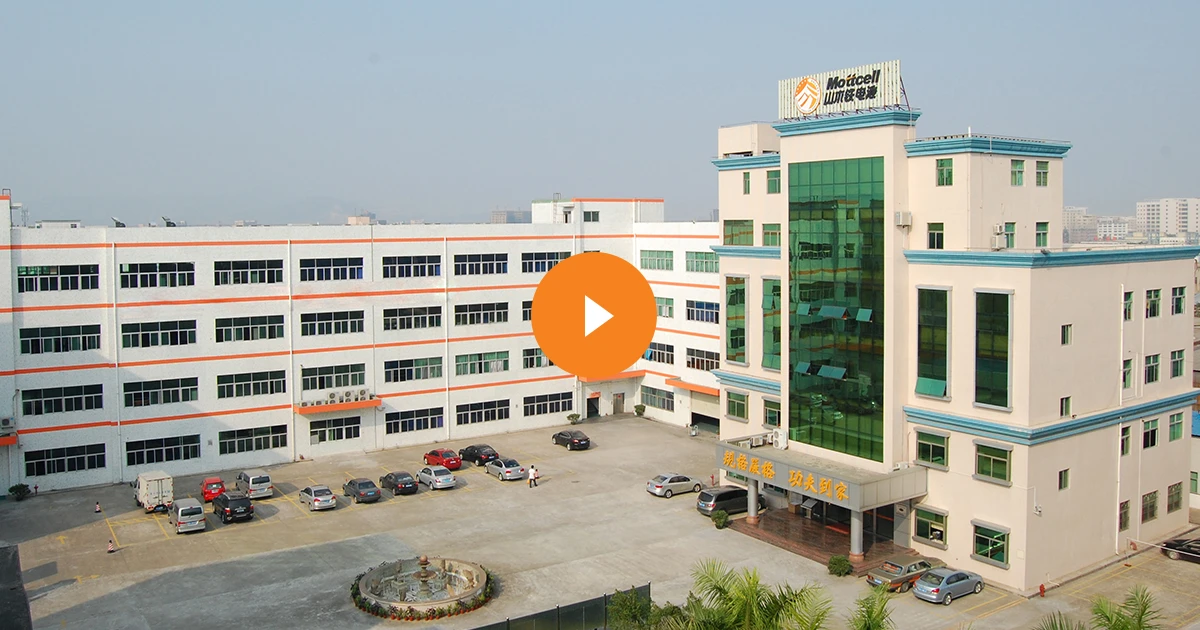
Established in 2005
In 2009, it was awarded the title of "National High tech Enterprise"
 zoe@mottcell.net
WhatsApp: 8617388790296
Fax: 86-0755-84042963
Skype: live:b0ebaecbb8782516
WeChat: +8613428749632

 VR show
 CN
CN Home >


