

 May 16, 2026


In the industrial procurement landscape of 2026, engineering managers, chief technology officers (CTOs), and financial directors face a critical strategic decision: should they integrate standardized, off-the-shelf power modules or allocate budget toward a custom-engineered energy storage system? When building or upgrading an equipment line around a 36v battery pack, the financial and operational implications of this choice ripple across the entire life cycle of the product.
True project optimization requires moving beyond simple upfront capital expenditure (CapEx) metrics. Instead, sophisticated B2B buyers evaluate the Total Cost of Ownership (TCO) and long-term Return on Investment (ROI). Off-the-shelf battery solutions frequently force costly engineering compromises, such as sub-optimal space utilization, mismatched weight distribution, or inadequate duty-cycle profiles.
Conversely, custom lithium-ion configurations align precisely with the specific electrical, mechanical, and environmental demands of your application. This meticulous alignment eliminates systemic inefficiencies, prevents premature field failures, and drives substantial long-term profitability.
When sourcing an industrial-grade 36v battery pack, focusing solely on the initial purchase price is a common procurement pitfall. The purchase price of a lithium battery represents only a fraction of its true lifetime cost. Operational expenditure (OpEx)—including maintenance costs, efficiency losses, replacement labor, and the catastrophic financial toll of unscheduled equipment downtime—is where the real financial narrative unfolds.
| Financial & Operational Metrics | Standardized Off-the-Shelf Pack | Custom Mottcell Engineered Pack |
| Initial Investment | Lower initial CapEx | Optimized initial CapEx |
| Load Performance | Accelerated degradation under load | Sustained flat discharge curves |
| Operational Reliability | High risk of unscheduled downtime | Integrated predictive telemetry |
| Lifespan Expectancy | 1,500 - 3,000 cycle lifespan | 6,000+ cycle lifespan (Grade A Cells) |
| Maintenance Labor | Frequent field replacement labor | Minimal lifecycle interventions |
In high-utilization environments like automated manufacturing hubs or urban logistics fleets, an under-engineered power source degrades rapidly. If a battery pack fails prematurely due to poor thermal management or inadequate cell balancing, the cost of replacing that unit—coupled with the lost productivity of the machine it powers—far outweighs any initial savings.
By investing in a tailor-made power core, companies can access a
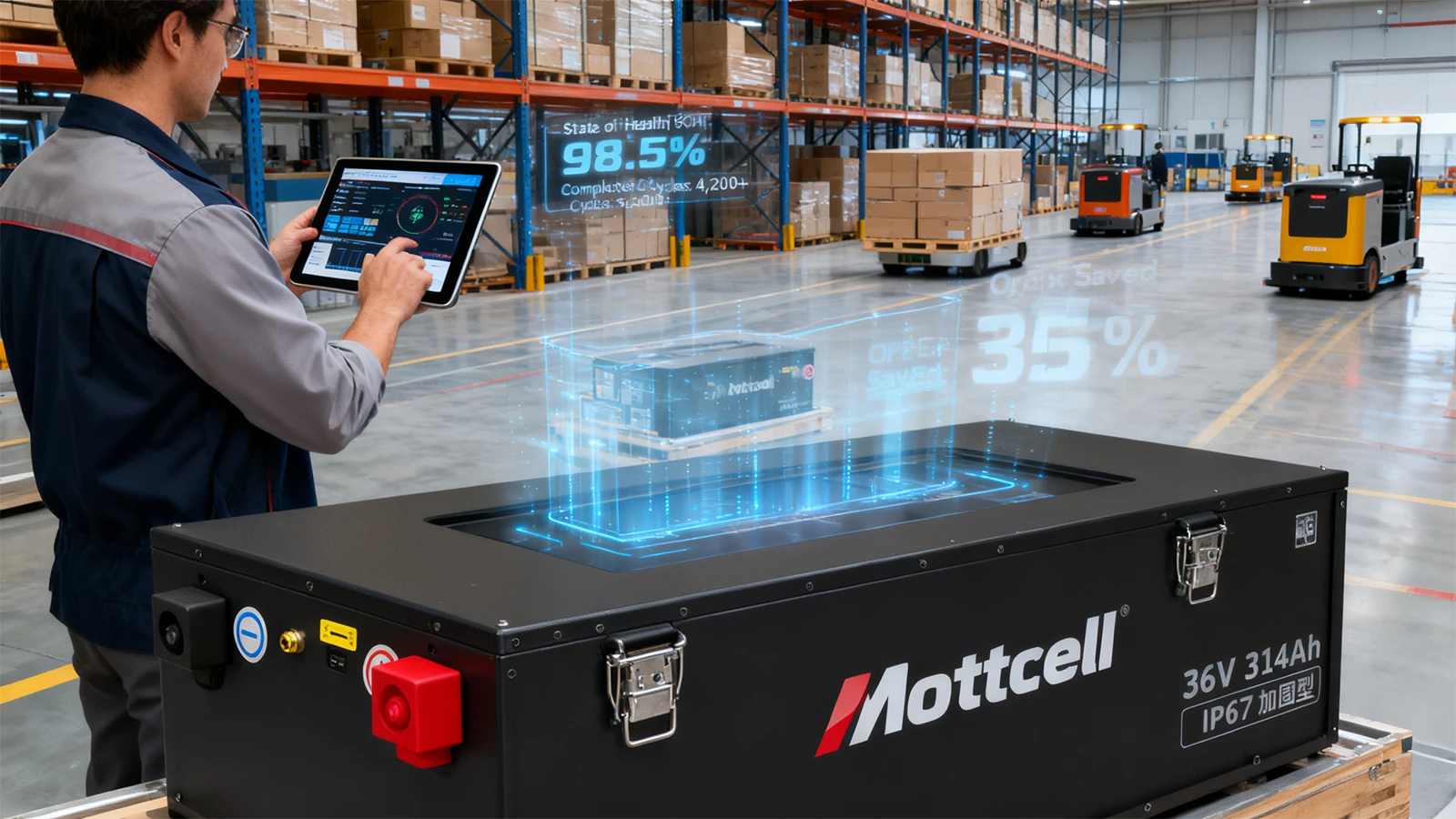
Every industrial application presents a distinct power signature. A warehouse automated guided vehicle (AGV) requires prolonged, steady current draws interspersed with rapid opportunity-charging intervals. An electric delivery bicycle requires a lightweight, highly energy-dense footprint capable of handling violent mechanical vibrations and fluctuating outdoor temperatures.
Sourcing a generic 36v battery pack forces your engineering team to adapt your machine to the battery, rather than vice versa. Custom development allows engineers to select the exact cell form factor (cylindrical vs. prismatic), chemistry tuning, and capacity needed to optimize performance.
For applications prioritizing compact space and agile mobility, capacity customization yields immediate spatial and aerodynamic efficiencies:
The 36V 100Ah Framework: A customized 36v 100ah battery pack is the ideal solution for light industrial tuggers, commercial cleaning robots, and high-end cargo E-bikes. Custom tailoring allows the enclosure to conform to non-standard chassis shapes, keeping the center of gravity low and improving machine stability.
The 36V 200Ah Framework: Stepping up to a 36v 200ah battery pack offers a substantial boost in daily operational range. In AGV applications, this exact capacity tuning ensures that the robot can fulfill a complete 8-hour shift without requiring a midday recharge, directly boosting warehouse throughput.
When heavy duty cycles, maximum payload capacities, or stationary energy storage demands take precedence, large-format custom packs deliver unparalleled stability:
The 36V 280Ah and 300Ah Platforms: Utilizing a 36v 280ah battery pack or a 36v 300ah battery pack provides the robust energy reserves required by heavy-duty scissor lifts, electric forklifts, and remote telecom backup grids. Customizing these platforms ensures that the internal busbars and connectors are thick enough to handle sustained high-current draws without generating excessive localized heat.
The 36V 314Ah Innovation: The state-of-the-art 36v 314ah battery pack represents the pinnacle of modern energy density for 36V platforms in 2026. Custom engineering with 314Ah prismatic cells allows projects to maximize their kilowatt-hour (kWh) capacity within an incredibly dense physical volume, minimizing the total footprint of stationary commercial energy storage systems (ESS).
By precisely matching capacity to operational demands, you guarantee that your machinery capitalizes on
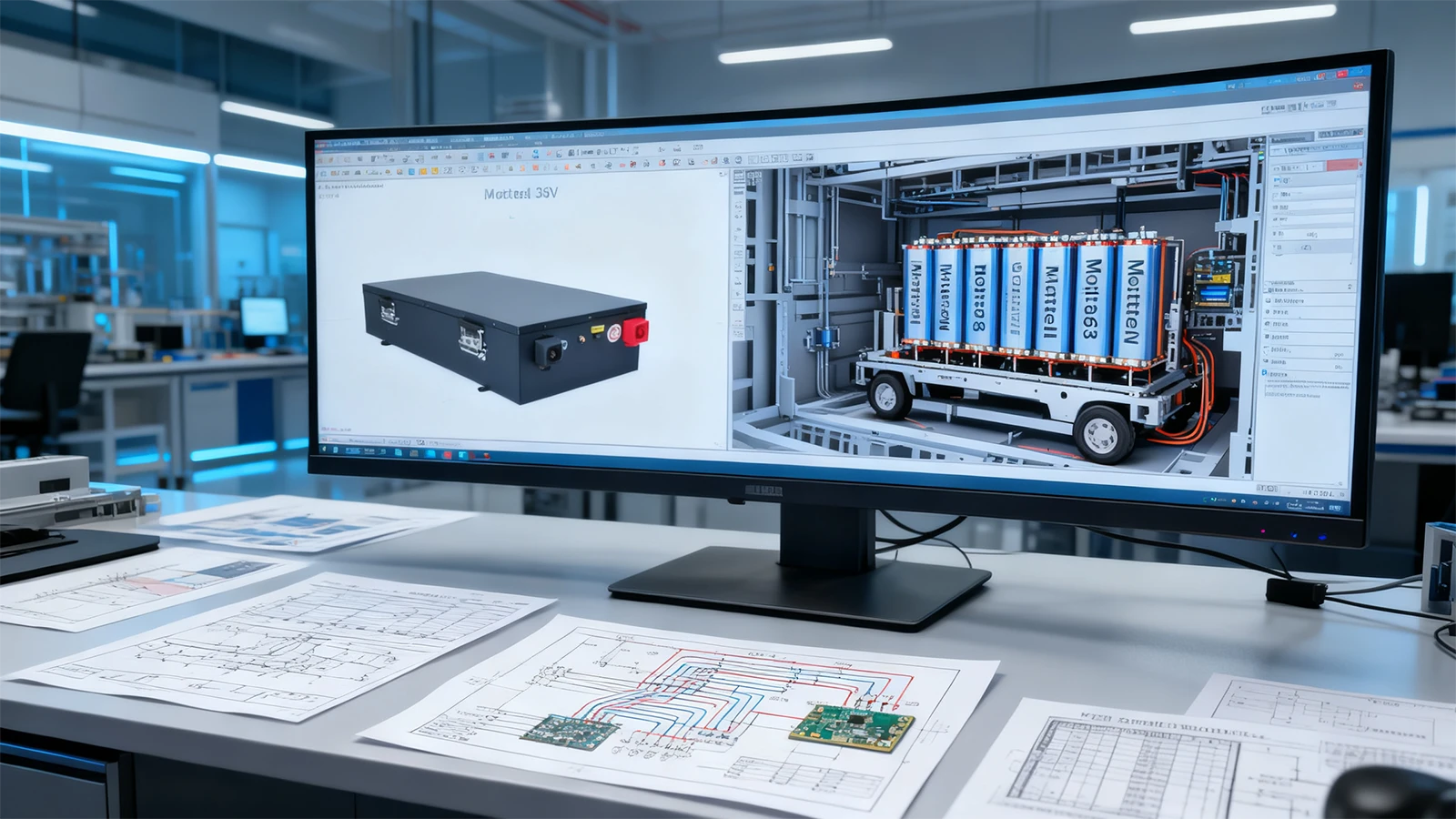
The true intelligence of a custom lithium-ion battery solution resides within its electronic control layers. A standard battery pack features a generic Battery Management System (BMS) that offers rudimentary protection against over-charging and short circuits. However, it lacks the sophisticated communication interfaces required to synchronize with modern industrial control systems.
Expert customization equips the 36v battery pack with a proprietary Smart BMS customized to your corporate software architecture.
CANbus / RS485 Integration-- Transmits Real-Time Telemetry Data directly to central diagnostics dashboards.
Cell Balance Tuning Algorithm-- Conducts autonomous optimization to facilitate Preventative Maintenance tracking.
Active Thermal Mitigation-- deploys multi-stage thresholds to guarantee Dual-Layer Safety defenses.
This connectivity allows for real-time monitoring of critical metrics, including State of Charge (SOC), State of Health (SOH), individual cell temperatures, and cycle counts. Armed with this predictive data, fleet operators can implement preventative maintenance schedules, resolving minor cell imbalances before they escalate into costly field failures.
True reliability depends on advanced physical defenses: dual-layer thermal insulation, shock-absorbing epoxy potting, and ruggedized IP67-rated steel or aluminum enclosures. These structural upgrades guarantee that whether your battery is deployed in a sub-zero cold-storage facility or a high-vibration mining vehicle, its internal architecture remains entirely secure.
Choosing a custom battery partner is a long-term strategic alliance. For an industrial project to deliver maximum ROI, the backend manufacturing infrastructure must be as flawless as the initial engineering blueprints. A flaw in cell matching or a sub-standard welding joint can compromise an entire multi-million dollar equipment deployment.
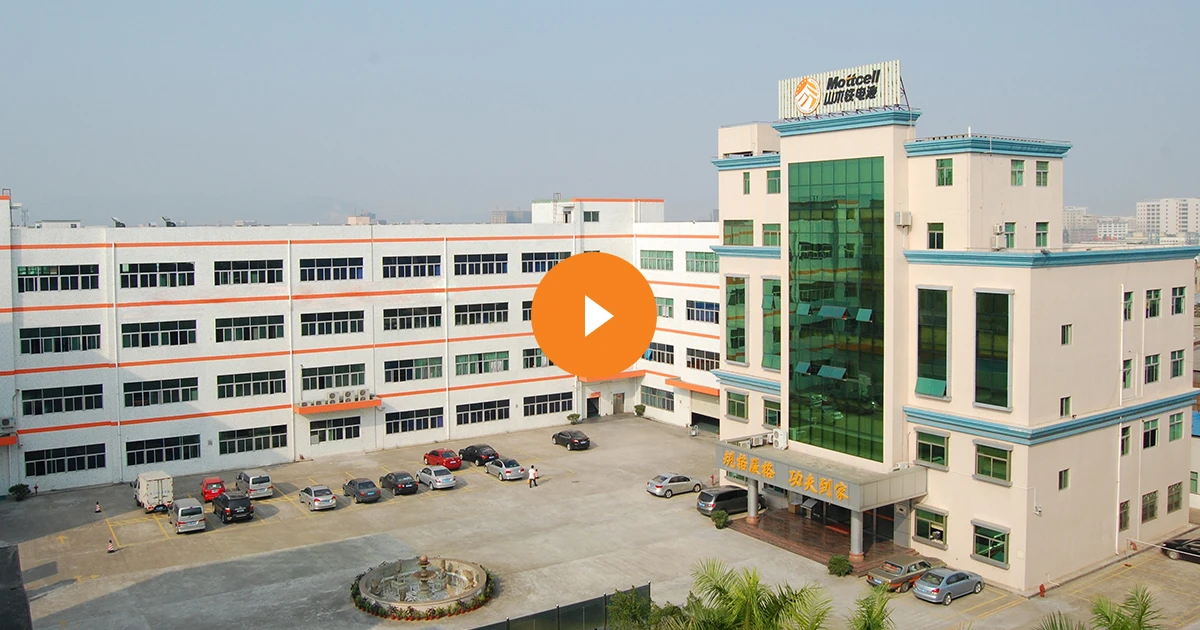
This risk mitigation is where Mottcell’s decade-long operational footprint becomes invaluable. The structural reliability of our custom capacity configurations is driven by
By enforcing rigorous testing standards—including automated cell sorting, automated laser welding, and 100% End-of-Line (EOL) testing under full load simulation—Mottcell ensures that every custom module delivered exhibits identical internal resistance and performance characteristics. This industrial-grade transparency builds E-E-A-T (Experience, Expertise, Authoritativeness, and Trustworthiness) directly into your hardware supply chain, providing fully traceable component histories that simplify international compliance audits (such as UL, CE, and UN38.3 certification).
Answer: Standard battery packs are often forced to run near their thermal or electrical thresholds when subjected to rigorous industrial duty cycles, accelerating cell degradation. A custom pack is engineered precisely around your peak current demands and environmental realities. This tailored engineering minimizes stress on the internal chemistry, extends cycle life to 6,000+ iterations, and virtually eliminates unscheduled equipment downtime and expensive field replacement labor.
Answer: To architect an optimized power solution, our engineering team evaluates several core vectors: precise physical dimension limitations, continuous and peak current draw requirements, target charging velocity windows (such as 1C fast-charging), environmental exposure metrics (vibration profiles, ambient moisture, extreme temperature fluctuations), and preferred digital communication protocols (e.g., CANopen, Modbus).
Answer: A generic BMS treats all application workloads identically, often leading to premature safety cut-offs or inaccurate state estimation. A custom BMS bridges the telemetry gap between the battery cells and the machine's primary logic controller. This integration enables highly accurate State of Charge (SOC) tracking, facilitating seamless "opportunity charging" protocols during brief operational lulls without risking cell damage or unbalancing the pack.
Sourcing an industrial-grade 36v battery pack should never be treated as a commoditized purchase. It is a foundational investment in your enterprise's operational infrastructure. By steering away from restrictive, standardized catalog options and embracing a custom-engineered, high-capacity lithium configuration, you systematically eliminate design vulnerabilities, enhance equipment field safety, and maximize your project's long-term ROI.
Mottcell blends cutting-edge lithium technology with comprehensive, full-service OEM customization to deliver reliable, high-performance power solutions that stand up to the most punishing commercial environments. To evaluate your existing hardware profile, eliminate power-system bottlenecks, and receive a rigorous engineering assessment for your application, please
12.8V 200Ah Battery Pack Factory: OEM Sourcing Guide
Commercial HESS Supplier: Factory Microgrid Sizing Guide
51.2V HESS Battery Supplier: 100Ah to 314Ah Capacity Guide
12V LiFePO4 Battery Pack Manufacturer: 50Ah-314Ah OEM Guide
16kWh HESS Supplier: 51.2V 314Ah Buyer’s Guide
5kWh HESS Supplier: Indoor Modular Battery Buying Guide
48V 200Ah HESS Supplier: Voltage & Inverter Fit Guide
15kWh HESS Supplier: Capacity & Home Backup Runtime Guide
Established in 2005
In 2009, it was awarded the title of "National High tech Enterprise"
 zoe@mottcell.net
WhatsApp: 8617388790296
Fax: 86-0755-84042963
Skype: live:b0ebaecbb8782516
WeChat: +8613428749632

 VR show
 CN
CN Home >


