

 Feb 26, 2026


In the fast-paced world of industrial manufacturing, the "engine" of innovation is no longer just mechanical—it is electrochemical. The lithium ion battery has revolutionized how factories operate, from powering autonomous mobile robots (AMRs) to providing high-density energy storage for critical backup systems. As a procurement manager or engineer, selecting the right lithium ion battery battery solution is not just about a purchase; it is about ensuring long-term operational resilience and efficiency.
At Mottcell, we specialize in high-capacity lithium ion batteries designed to withstand the rigors of professional environments. This guide explores the technical depth of lithium technology, the essential role of a dedicated lithium ion battery charger, and the critical logistics of lithium ion battery and flying in an increasingly globalized supply chain.
A lithium-ion battery is a sophisticated rechargeable system where energy is stored and released through the movement of lithium ions. Unlike legacy lead-acid systems, a lithium ion battery leverages high energy density to pack more power into a smaller, lighter footprint.
The core of a lithium ion battery battery consists of four primary components:
Cathode (Positive Electrode): Typically a lithium metal oxide (such as NMC or LFP), determining the battery's capacity and voltage.
Anode (Negative Electrode): Usually made of graphite, storing ions during the charging phase.
Electrolyte: A liquid or gel medium that facilitates ion transport.
Separator: A micro-porous film that prevents internal short circuits while allowing ions to pass through.
During charging, the lithium ion battery charger pushes ions from the cathode to the anode. When your industrial equipment is in use (discharging), those ions move back to the cathode, creating the flow of electrons that powers your machinery.
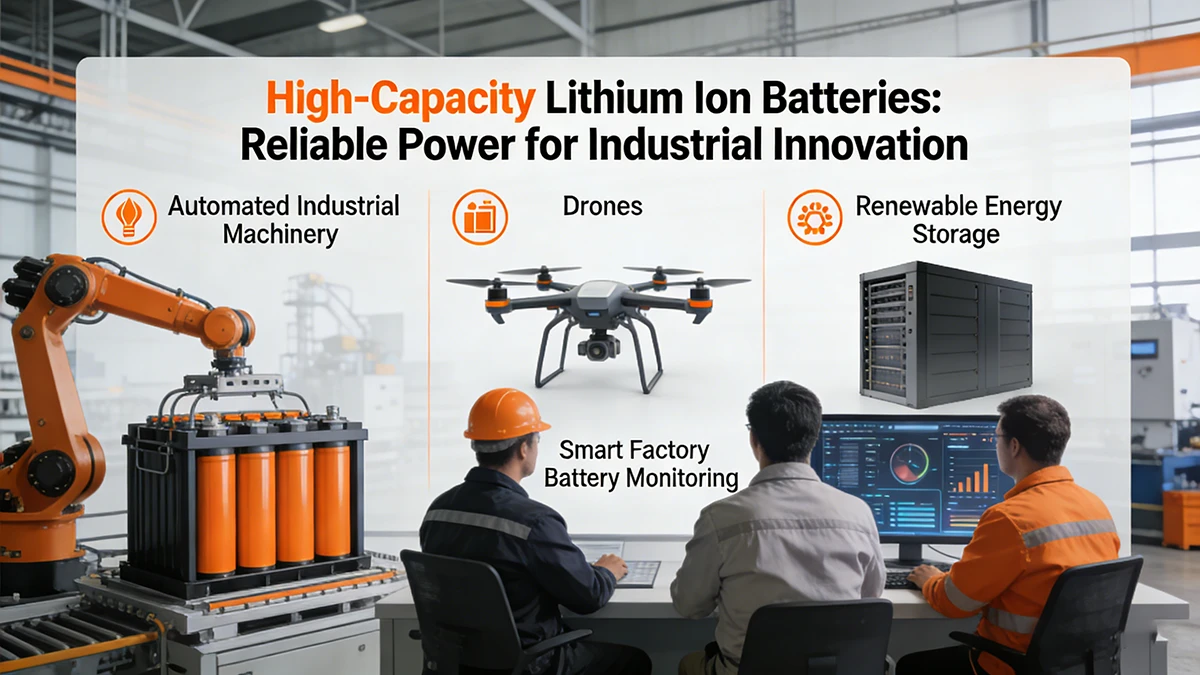
In many factory diagnostic tools, remote sensors, and handheld scanners, the "AA" format remains the most convenient standard. However, the shift from alkaline to lithium ion batteries has significantly boosted the runtime and lifespan of these essential devices.
When sourcing for an OEM project, the difference between consumer-grade and industrial cells is found in the manufacturing process.
AA Lithium ion battery manufacturer: A professional AA Lithium ion battery factory utilizes automated clean-room environments to prevent impurities that cause cell degradation.
3.7V AA Lithium ion battery manufacturer: While standard AA cells are 1.5V, a 3.7V AA Lithium ion battery factory produces the high-voltage 14500 format. This higher voltage is a "must-have" for high-drain applications like tactical lighting and portable medical motors.
As a leading AA Lithium ion battery supplier and 3.7V AA Lithium ion battery supplier, Mottcell ensures that every cell is equipped with a Battery Management System (BMS) to protect against overcurrent and thermal runaway.
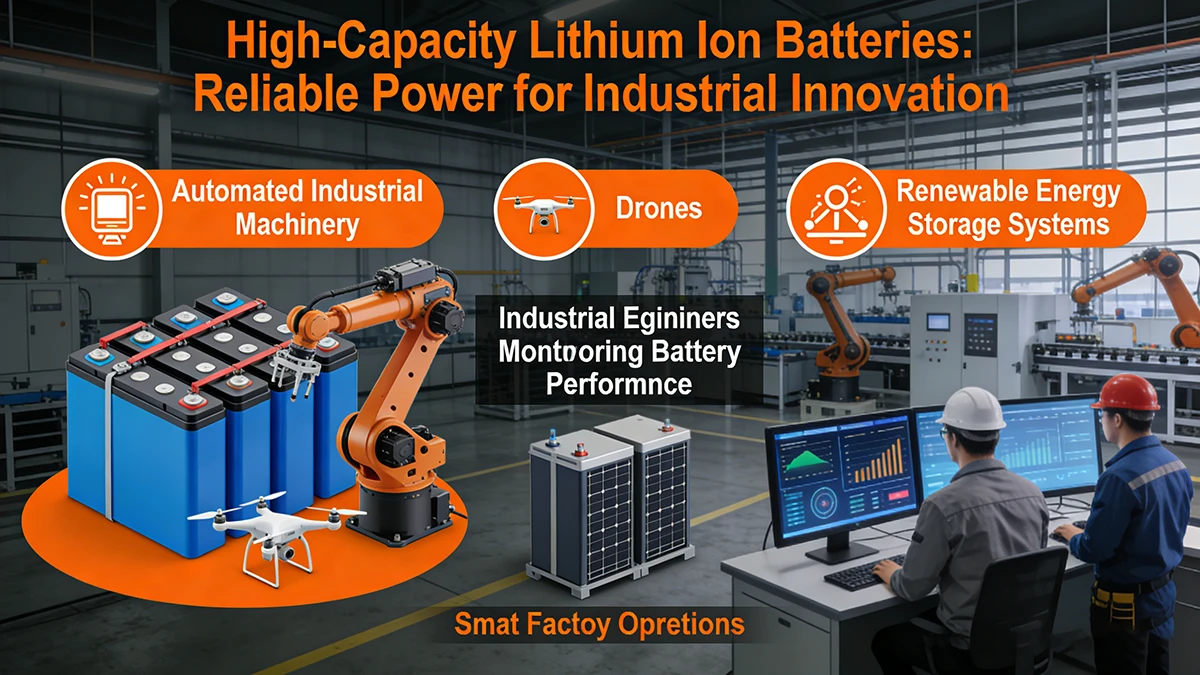
In the hierarchy of lithium ion batteries, the 3.7V nominal voltage platform is the industry standard for high-performance electronics.
Many industrial circuit boards are optimized for the 3.7V range. Utilizing a 3.7V AA Lithium ion battery allows engineers to achieve the necessary power with fewer cells in series, reducing the overall weight and complexity of the device.
Stability: Unlike NiMH batteries that experience voltage drops, 3.7V cells provide a stable discharge platform until nearly empty.
Fast Charging: When paired with a professional-grade lithium ion battery charger, 3.7V systems can reach an 80% state-of-charge (SoC) in under an hour, minimizing downtime for rotating shift equipment.
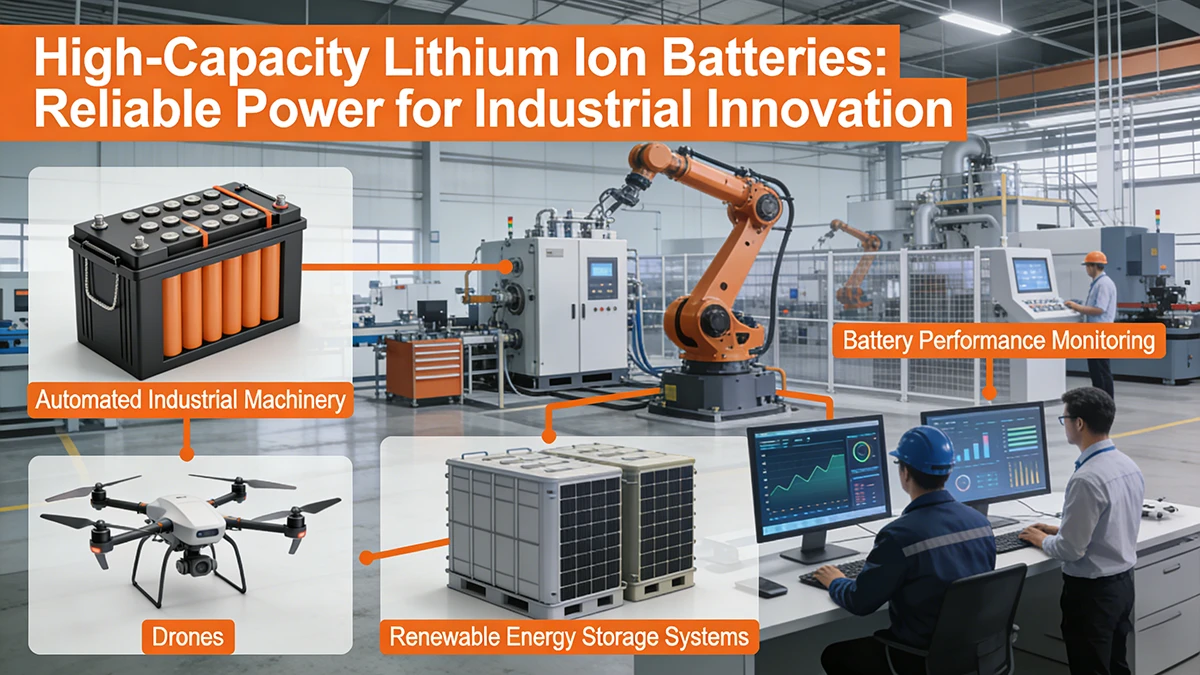
In 2026, the global movement of lithium-ion batteries is more regulated than ever. Understanding the relationship between your lithium ion battery and flying is critical for both business travelers and international shipping logistics.
As of January 1, 2026, the International Air Transport Association (IATA) has updated safety mandates for lithium ion batteries:
Mandatory 30% State of Charge (SoC): All lithium ion batteries packed with equipment (UN 3481) or shipped alone must be tendered for transport at no more than 30% of their rated capacity.
Wh Thresholds: For battery-powered vehicles (UN 3556), any battery exceeding 100Wh must strictly adhere to the 30% SoC limit or display a battery level of no more than 25%.
Carry-on Only: Spare lithium ion battery units and power banks remain strictly prohibited from checked luggage. They must be carried in the passenger cabin to allow crew intervention in the rare event of a thermal incident.
Mottcell provides full UN38.3 certification and updated documentation for all our shipments, ensuring your lithium-ion batteries navigate global customs and airline safety inspections without delay.
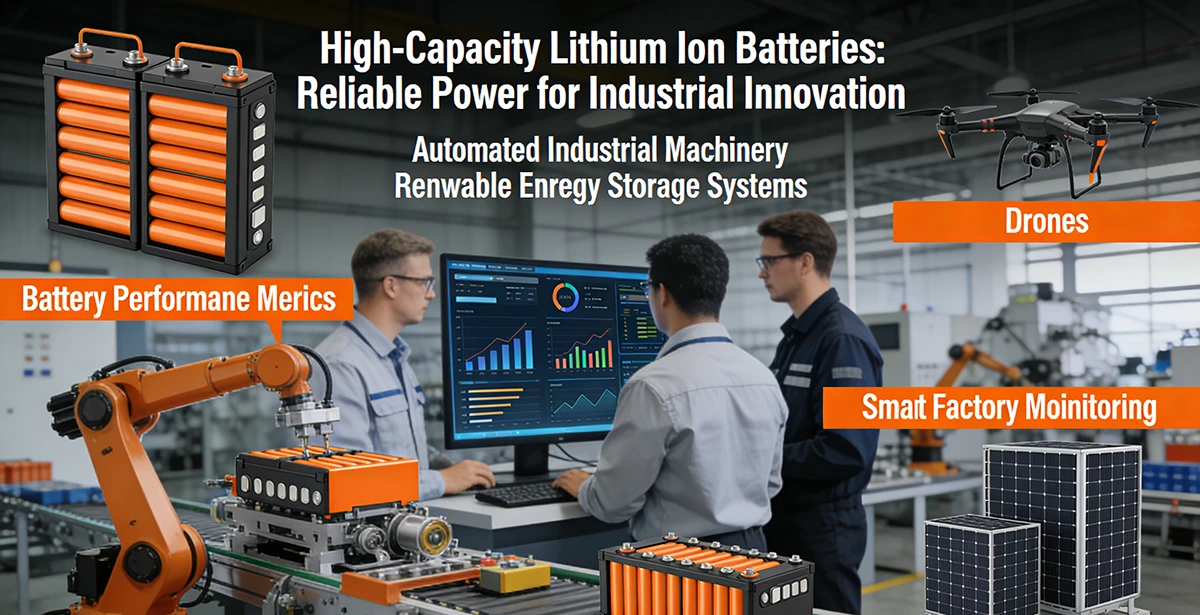
To maximize the ROI of your lithium ion battery battery fleet, the charging infrastructure is just as important as the cell itself. A generic charger can significantly shorten the lifespan of high-capacity lithium ion batteries.
Adaptive Charging Algorithms: Advanced chargers now use AI-driven diagnostics to assess cell health in real-time, adjusting current to extend cycle life.
Cold-Weather Optimization: 2026 industry trends prioritize chargers that can safely operate in harsh warehouse environments without damaging cell chemistry.
Standardization: The shift toward standardized interfaces allows one charger to handle multiple lithium-ion batteries across a fleet, reducing hardware clutter.
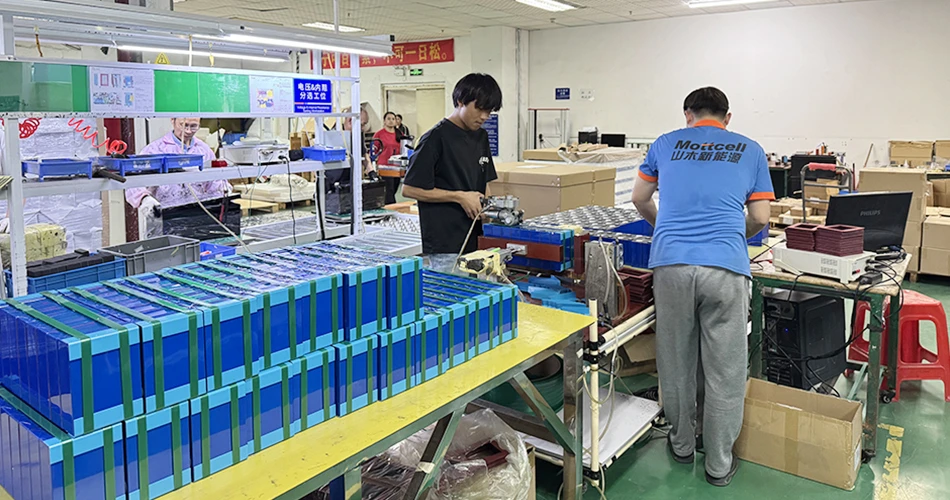
A lithium ion battery is a high-energy-density rechargeable power source. It is the preferred choice for industrial innovation due to its long cycle life (often over 1,000 cycles) and its ability to be rapidly recharged compared to legacy chemistries.
Yes, but with strict limitations. Small batteries (under 100Wh) are allowed in carry-on baggage. They are strictly prohibited from checked luggage. Starting in 2026, even batteries packed with equipment must be at a 30% SoC or lower for air cargo.
When manufactured by a reputable 3.7V AA Lithium ion battery factory like Mottcell and used with a compatible lithium ion battery charger, they are incredibly safe. We implement multi-layered safety protocols, including CID (Current Interruption Device) and thermal vents, to mitigate risks.
Never throw lithium-ion batteries in standard trash. In 2026, circular economy practices are mandatory in many regions. Batteries should be sent to certified industrial recycling facilities that can recover up to 95% of the nickel, cobalt, and lithium for use in new lithium ion batteries.
In the world of industrial power, reliability is the only metric that matters. Whether you need a high-volume AA Lithium ion battery supplier or a specialized 3.7V AA Lithium ion battery manufacturer for custom OEM packs, Mottcell provides the Grade-A technology your project demands.
Related News
Lithium Ion Battery Solutions: High-Capacity Cells for Professional Projects
18650 Batteries: Sizes & Uses Guide for Industrial OEMs | Mottcell
32650 Lithium Ion Battery Manufacturer for OEM Custom Cells and Packs
10440 Lithium Ion Battery Factory: Inside Look
22650 Lithium Ion Battery Manufacturer for Custom Cylindrical Cells and Packs
16340 Lithium-Ion Battery Manufacturing Process
Top 18500 Lithium Ion Battery Manufacturer Guide
26700 Lithium Ion Battery Manufacturer for OEM Applications
32700 Lithium Ion Battery Manufacturer for OEM Applications
Reliable 4860 Lithium Ion Battery Manufacturer and OEM Factory
36V 314Ah Battery Pack Manufacturer: OEM Buying Guide
26700 LiFePO4 Battery Manufacturer: 4000-5000mAh Cells
Commercial HESS Supplier: Factory Microgrid Sizing Guide
5kWh HESS Supplier: Home Solar Battery & OEM Options
48V 280Ah HESS Supplier: Solar Battery OEM Buying Guide
12V 314Ah Battery Pack Manufacturer: OEM Buying Guide
48V 300Ah HESS Supplier: Voltage, Runtime and OEM Guide
48V 100Ah HESS Supplier: 5.12kWh Solar OEM Buying Guide
Established in 2005
In 2009, it was awarded the title of "National High tech Enterprise"
 zoe@mottcell.net
WhatsApp: 8617388790296
Fax: 86-0755-84042963
Skype: live:b0ebaecbb8782516
WeChat: +8613428749632

 VR show
 CN
CN Home >


