When factory buyers search for cylindrical lithium solutions, they are rarely looking for “a battery” in the generic sense. They are looking for a stable, scalable supply partner who can deliver consistent electrical performance, safe mechanical integration, compliant shipping, and reliable production planning. That’s why choosing the right 22650 Lithium ion battery manufacturer matters as much as selecting the right cell format.
The 22650 format is attractive for many OEM applications because it offers a practical balance between compact size and usable energy. In many product designs, it can provide a runtime upgrade compared with smaller cylindrical cells, while still keeping the pack geometry efficient. But performance depends on more than dimensions; it depends on chemistry selection, internal cell design, sorting strategy, welding stability, protective circuitry, and end-of-line testing standards. A truly capable supplier doesn’t just sell cells—they engineer a complete, production-ready solution.
This article explains what a professional 22650 Lithium ion battery factory should provide, how custom cylindrical cells and packs are typically specified, and how you can reduce risk in procurement by verifying the right technical and quality checkpoints from day one.
| Specification | 18650 Battery | 22650 Battery | 26650 Battery |
| Diameter (mm) | 18 | 22 | 26 |
| Height (mm) | 65 | 65 | 65 |
| Avg. Capacity | 2200-3500mAh | 2500-3000mAh | 4500-5500mAh |
| Space Efficiency | High | Balanced/Niche | Moderate |
| Best For | Laptops, Flashlights | Medical/Precision Tools | Solar, Large Storage |
Understanding the 22650 Cell Format in Real Projects
Cylindrical battery naming conventions commonly reflect the cell diameter and height in millimeters. In practice, “22650” points to a cylindrical cell with roughly 22 mm diameter and 65 mm height. For many factory customers, that size sits in a “sweet spot” where you can gain meaningful capacity per cell without making the pack excessively large or heavy.
However, the same “22650” label on two suppliers’ datasheets does not guarantee equal results. Cell performance can vary because of differences in electrode design, electrolyte system, separator selection, production controls, and formation processes. If you are sourcing for mass production, the questions you should ask go beyond nominal capacity. You should also evaluate internal resistance consistency, cycle performance under your real load profile, and safety behavior under stress conditions.
A professional 22650 Lithium ion battery manufacturer will be comfortable discussing these variables and will provide supporting test data. If a supplier only focuses on a marketing capacity number but cannot explain their sorting standards, aging process, or QC gates, that is a red flag for OEM reliability.
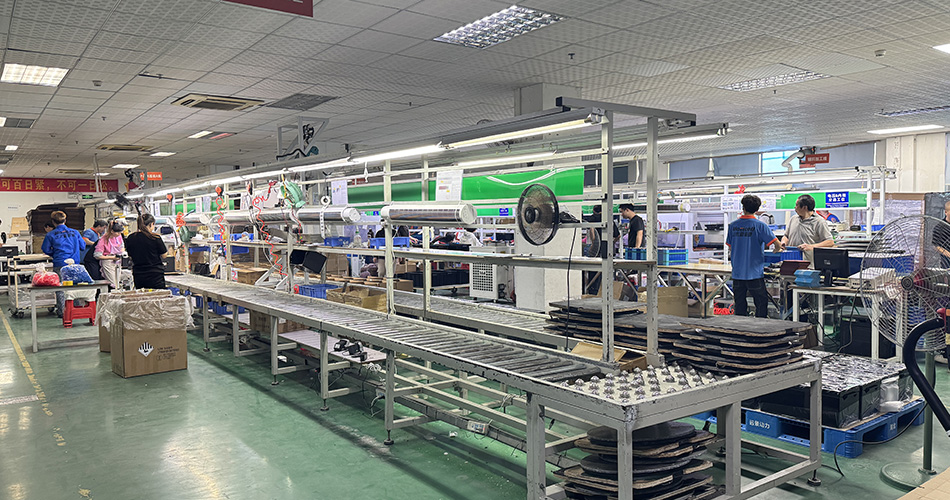
Chemistry Selection: 3.7V Li-ion vs 3.2V LiFePO4
One of the most important decisions in a 22650 project is chemistry. The choice impacts voltage platform, safety margin, charging method, temperature behavior, and the total cost of ownership.
3.7V-class Li-ion (typical nominal 3.6/3.7V)
Many 22650 cells in the market are based on conventional lithium-ion chemistries with a nominal voltage around 3.6V or 3.7V, typically charging to 4.2V per cell depending on the chemistry. These cells are often selected when energy density is the main objective and when the device design already supports 4.2V charging. They can be suitable for handheld industrial devices, portable power modules, and equipment where space efficiency is critical.
In these projects, the pack design success depends heavily on matching the discharge curve to your electronics. A strong 22650 Lithium ion battery manufacturer will help you evaluate voltage sag under peak load, internal resistance drift over life, and thermal rise in your enclosure.
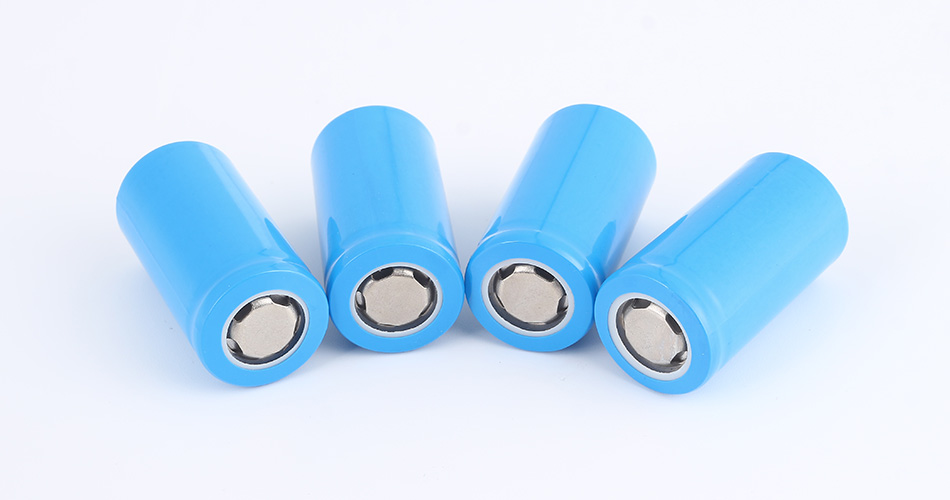
3.2V LiFePO4 (nominal 3.2V)
For applications that prioritize safety, stability, and long cycle life, LiFePO4 is frequently chosen. In this case, the nominal voltage is typically 3.2V, and the charge termination voltage is usually different from 4.2V systems. Many industrial and energy-related customers prefer LiFePO4 because it offers strong thermal stability and robust cycle performance in practical operating conditions.
If your target is LiFePO4, you are specifically in the space of a 3.2V 22650 Lithium ion battery manufacturer project. For factory procurement, this is not just a label—it implies a different voltage platform, different charger and BMS design targets, and different performance expectations. A qualified supplier should be able to propose a stable cell option, explain charge/discharge limits, and provide cycle data at your target temperatures and C-rates.
When buyers search for a 3.2V 22650 Lithium ion battery factory, they are often working on solar lighting, emergency backup, industrial monitoring, or other applications where safety and long lifecycle are key procurement drivers.
What “Custom Cylindrical Cells and Packs” Should Include
Many suppliers claim they offer custom battery packs, but “custom” can mean very different things. In a professional OEM relationship, customization should include engineering support across electrical design, mechanical integration, and compliance.
Electrical design that matches real loads
A custom pack starts with the correct configuration—how many cells in series and in parallel—to reach your target voltage and capacity. Then it requires protection design. A pack meant for low-current sensors is not engineered the same way as a pack for high peak power tools or motor-driven devices.
A capable 22650 Lithium ion battery manufacturer should be able to discuss:
Overcharge and over-discharge thresholds aligned to your chemistry choice
Overcurrent/short-circuit protection strategy appropriate for your peak loads
Charging method and recommended charger parameters
Balancing approach for multi-series packs (passive or other) when needed
Optional functions such as fuel gauge, communication lines, or status indication depending on your product
This is where procurement risk is won or lost. If the protection thresholds are wrong, the pack may trip in the field or degrade faster than expected. If welding and interconnect design are not robust, vibration or thermal expansion can cause intermittent failures. These are not “nice to have” engineering details—they are core to warranty cost control.
Mechanical integration that respects your product constraints
Custom cylindrical packs often need specific connectors, cable lengths, insulation schemes, and packaging choices. A good 22650 Lithium ion battery factory should support:
Custom harnesses and connector options
Housing design support or mechanical guidance for pack installation
Shock/vibration-friendly structural reinforcement
Insulation, spacing, and protective layer design to reduce abrasion and short risk
Options for potting or additional protection in harsh environments when necessary
Compliance and documentation readiness
Factory buyers frequently require documentation for shipping and product approvals. Your supplier should be able to provide the right compliance support and understand international shipping requirements for lithium batteries. A reliable partner will also be clear about what certifications apply at the cell level versus the pack level, and what test reports are available for your specific configuration.
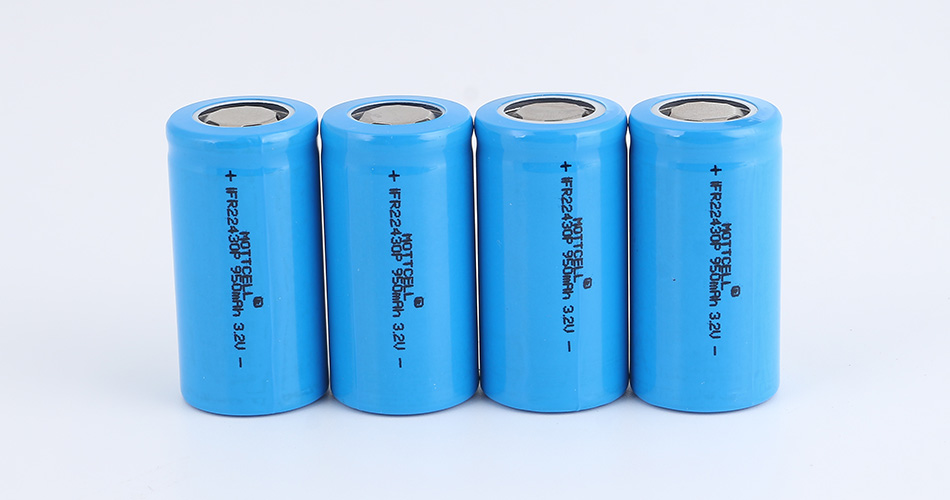
How to Evaluate a Reliable 22650 Lithium Ion Battery Factory
Choosing a supplier is as much about process reliability as it is about product specs. Below are the manufacturing and quality topics that matter most for factory sourcing.
Consistent cell grading and sorting
In cylindrical pack production, cell consistency drives pack consistency. Even if the average cell capacity looks good, wide spread in internal resistance or capacity can create imbalance and early degradation.
A professional 22650 Lithium ion battery manufacturer should be willing to explain:
Incoming cell inspection criteria
Sorting methods for OCV, internal resistance, and capacity grades
Aging/formation strategy and how outliers are handled
Traceability approach for batches and shipments
The more transparent the supplier is about these steps, the more likely they are operating with mature controls.
Welding stability and interconnect reliability
Spot welding and interconnect design are major determinants of pack robustness. A stable process includes controlled parameters, fixture consistency, and inspection standards. If your pack is intended for vibration environments, you want to know that the supplier designs for mechanical resilience, not just electrical continuity.
Pack-level end-of-line testing
Pack manufacturing is incomplete without standardized testing. Strong 22650 Lithium ion battery factory operations include end-of-line checks such as:
Voltage and polarity verification
Protection function verification (overcharge, overdischarge, overcurrent)
Insulation and short-risk checks
Sample capacity verification under defined conditions
Documentation and labeling checks to prevent shipment errors
These are practical quality gates that reduce field failures and keep your brand protected.
Production scalability and change control
If you plan to scale, you need a supplier who can support stable ramp-up. Ask about:
Production capacity planning
Lead times for cell and BMS sourcing
Engineering change control for materials and firmware
Spare capacity for peak demand and urgent schedules
A supplier who treats change control seriously is far more likely to deliver consistent performance across batches.
Why Factory Customers Choose 22650 for Custom Packs
The 22650 format is often selected for projects where design teams want a practical improvement in energy per cell without redesigning the product around a much larger cell. This is common when:
A product generation upgrade needs longer runtime
The enclosure can accept a slightly larger diameter cell than 18650
The design needs a cylindrical shape for mechanical simplicity
The buyer wants to optimize cost per Wh while maintaining robust availability
Many OEMs also like cylindrical packs because they can be engineered into modular configurations, making it easier to build product families with different capacities while keeping consistent mechanical interfaces.
How We Support OEM/Factory Procurement for 22650 Projects
If your goal is to increase inquiry conversion, your content should speak directly to procurement priorities: stable supply, verified safety, and engineering clarity. That is exactly what you should expect from a professional 22650 Lithium ion battery manufacturer:
Clear recommendations on chemistry choice (including LiFePO4 options if you need a 3.2V platform)
Custom pack engineering that matches your load profile and installation constraints
Manufacturing controls that support consistency and traceability
Testing and documentation support for global logistics
Communication that helps your team reduce development cycles and accelerate launch timelines
If you are specifically searching for a 3.2V 22650 Lithium ion battery manufacturer, the most important success factor is system matching: correct charger design, correct protection thresholds, and stable cell supply. A supplier who understands that will save you weeks of iteration and reduce the risk of returns.
And if you are choosing a 3.2V 22650 Lithium ion battery factory, you should confirm not only that they can produce cells, but that they can deliver consistent pack assembly, QC records, and export-ready documentation.
FAQ
1) How do I choose a reliable 22650 Lithium ion battery manufacturer for my OEM project?
A reliable 22650 Lithium ion battery manufacturer should provide stable cell consistency (capacity and internal resistance control), clear batch traceability, and pack-level engineering support such as protection design, welding process control, and end-of-line testing. For OEM buyers, it is also important that the supplier can support documentation for international logistics and offer sample validation before mass production, so your product can pass qualification smoothly and scale with less risk.
2) What should I verify when sourcing from a 3.2V 22650 Lithium ion battery manufacturer?
When working with a 3.2V 22650 Lithium ion battery manufacturer, confirm that the chemistry is truly designed for a 3.2V LiFePO4 platform and that the supplier can match correct charging parameters, protection thresholds, and performance data under your operating temperatures and load profile. You should also request cycle-life evidence, consistency controls, and guidance on how the 3.2V system affects your series configuration, charger choice, and overall pack design.
3) What capabilities define a professional 22650 Lithium ion battery factory for custom packs?
A professional 22650 Lithium ion battery factory is not only able to supply cells, but can also deliver complete pack assemblies with consistent welding quality, robust mechanical protection, and standardized testing before shipment. Strong factories typically support customization for connectors, harnesses, and housings, and they can provide the production controls needed for repeat orders—such as clear QC checkpoints, aging/testing records, and stable lead time management for long-term OEM supply.
4) Why do buyers prefer a 3.2V 22650 Lithium ion battery factory for long-cycle and safety-focused applications?
Many buyers choose a 3.2V 22650 Lithium ion battery factory because LiFePO4-based 3.2V systems are widely associated with strong thermal stability and long cycle performance in real-world use. For projects like industrial backup, solar lighting, and energy-related applications, sourcing from a factory that understands 3.2V design requirements helps ensure the pack is engineered with appropriate protection settings, consistent cell grading, and manufacturing controls that reduce field failures and support long-term reliability.

 VR show

 CN
CN Home >
  Jan 13, 2026


