

 Feb 27, 2026


Industrial operations today depend heavily on stable and efficient energy storage systems. Whether powering automated production equipment, portable industrial tools, energy storage units, or IoT monitoring systems, reliable rechargeable battery solutions have become essential infrastructure for modern factories.
For OEM manufacturers and industrial buyers, battery selection is no longer a simple component decision. It directly influences product reliability, operational efficiency, maintenance cost, and long-term competitiveness. Choosing the right manufacturing partner ensures not only stable performance but also supply chain security.
This article explores advanced rechargeable battery technologies, lithium-ion developments, charging systems, and how factory customers can select a trusted manufacturing partner for long-term industrial success.
| Reliability Metric | Mottcell Industrial Grade | Standard Commercial Grade | Strategic Advantage |
| Operating Temp | -20°C to +60°C | 0°C to +45°C | Outdoor & Factory Floor Ready |
| Vibration Resistance | Military/Industrial Grade | Minimal | Stable in Heavy Machinery |
| BMS Protection | Dual Layer & Communication | Basic PCM | Advanced Monitoring (CANBus/RS485) |
| Cycle Life | 2,500 - 6,000+ (LFP) | 300 - 500 | Lower Total Cost of Ownership |
| Certification | UL, CE, UN38.3, IEC62133 | Variable | Compliance with Global Safety |
When industrial buyers search for battery rechargeable battery solutions, they are typically seeking durable, long-life energy systems that outperform disposable alternatives.
Industrial rechargeable batteries are engineered to deliver:
Stable voltage output across heavy loads
Long operational cycle life
Thermal stability in demanding environments
Strong safety performance
Consistent batch quality
Unlike disposable batteries, rechargeable systems reduce lifecycle costs and minimize environmental impact. Over time, they provide measurable financial advantages for factories running continuous operations.
More importantly, industrial-grade rechargeable battery systems are designed for reliability under sustained use, which is critical in manufacturing environments where downtime directly translates into losses.
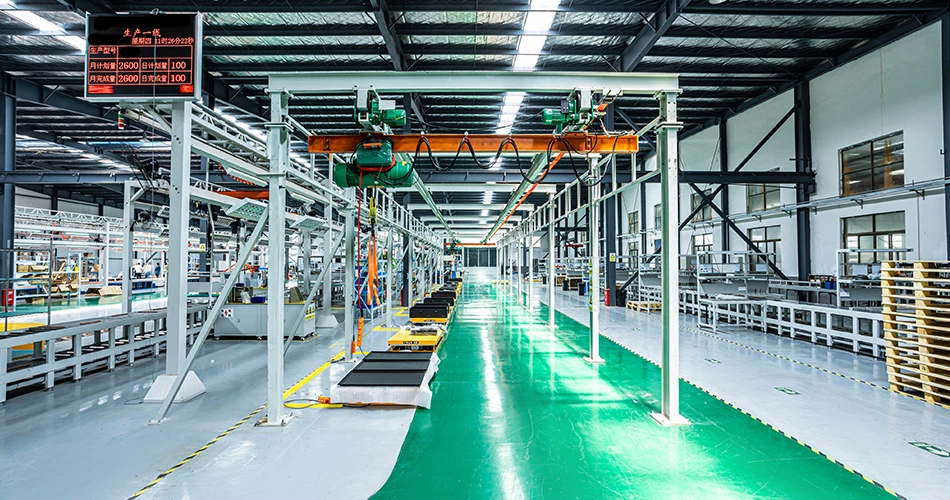
Factories require more than basic power supply. They need predictable and repeatable battery behavior.
When evaluating rechargeable batteries battery performance, industrial customers typically focus on three essential factors.
First, energy density. Higher energy density enables compact equipment design while maintaining longer runtime.
Second, cycle life. Industrial clients expect hundreds or thousands of charge cycles without significant degradation.
Third, safety and protection. Overcharge, over-discharge, and thermal runaway risks must be controlled through intelligent battery design and protection systems.
Reliable manufacturers integrate battery management systems and quality inspection protocols to ensure consistency across every shipment.
Industrial sites are rarely controlled laboratory conditions.
Rechargeable batteries may operate in high-temperature workshops, cold storage facilities, humid warehouses, or high-vibration mechanical systems. Therefore, battery construction quality plays a decisive role.
Advanced lithium-ion rechargeable batteries incorporate:
Improved electrode materials
High-quality separators
Enhanced safety vents
Strong casing durability
These structural improvements allow batteries to withstand environmental stress while maintaining performance.
Factories that source batteries for energy storage systems, robotics, and industrial tools must prioritize environmental testing standards before committing to a supplier.
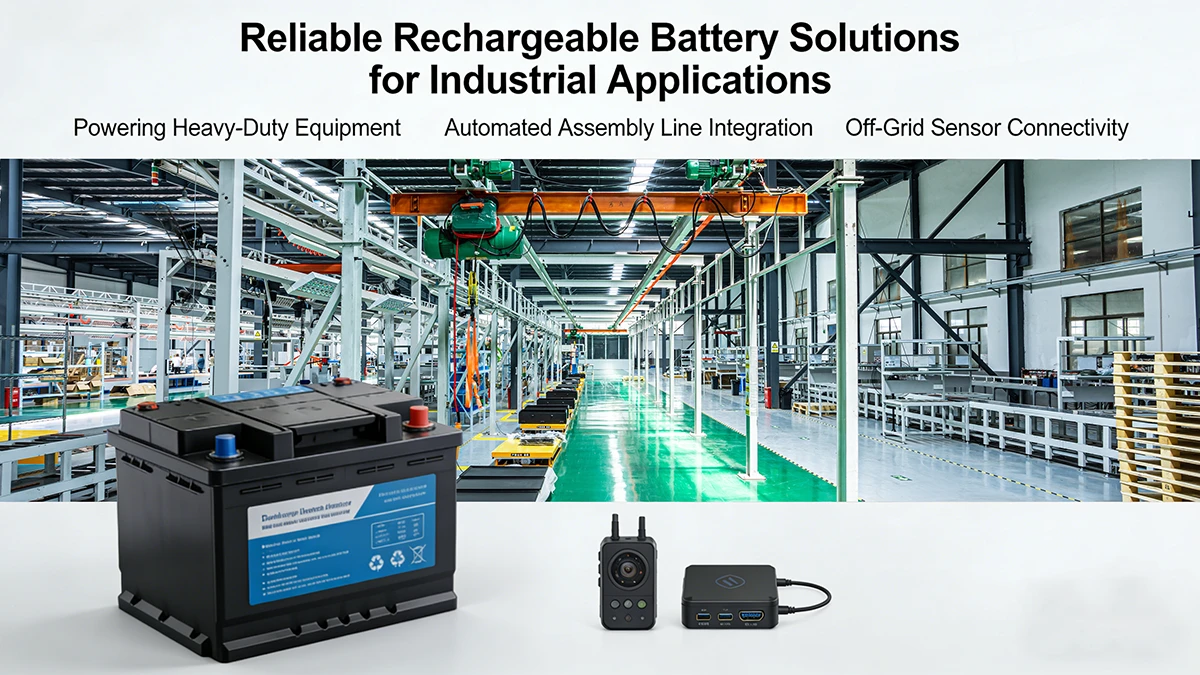
A high-quality recharger for batteries is just as critical as the battery cell itself.
Improper charging reduces lifespan, increases safety risks, and compromises industrial reliability.
Professional industrial charging systems should include:
Smart charge control algorithms
Temperature monitoring
Overcurrent and short-circuit protection
Balanced charging support for multi-cell packs
When rechargeable batteries and chargers are engineered together, performance and longevity improve significantly.
For OEM projects, working with a manufacturer capable of providing integrated battery and charging solutions reduces compatibility risks and simplifies system integration.
The rechargeable li ion battery has become the preferred choice across industrial sectors.
Compared with older chemistries such as NiMH or alkaline systems, lithium-ion batteries provide superior energy density, lower self-discharge rates, and longer service life.
Industrial applications benefiting from lithium-ion technology include:
Automated factory tools
Industrial inspection devices
Backup power systems
Energy storage modules
Portable commercial equipment
Because lithium-ion chemistry allows flexible pack configuration, OEM customers can design scalable power solutions tailored to their product architecture.
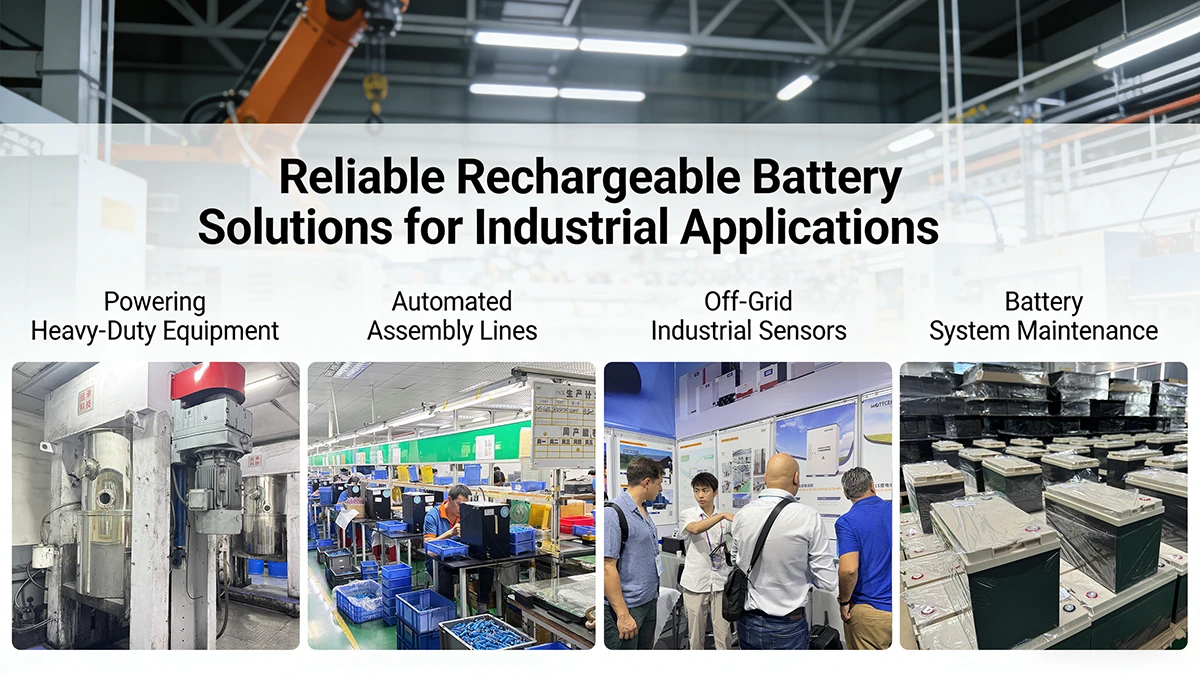
Understanding how to recharge lithium ion battery systems properly helps extend operational life.
Industrial best practices include:
Avoiding full deep discharge cycles
Using compatible charging systems
Maintaining moderate ambient temperatures
Preventing continuous overcharging
Modern lithium-ion batteries often include internal protection circuitry. However, correct charging practices further enhance durability and reduce maintenance costs.
Factories implementing standardized charging procedures see significant improvements in battery lifecycle performance.
Cylindrical lithium-ion cells, particularly the 18650 format, remain one of the most trusted power solutions for industrial applications.
Their standardized dimensions, proven stability, and scalability make them ideal for modular battery pack design.
A professional 18650 rechargeable battery manufacturer operates advanced automated production lines designed for precision and consistency.
Manufacturing capabilities typically include:
Electrode coating and calendaring
Precision winding
Electrolyte filling
Formation and aging testing
Multi-stage quality inspection
Working directly with an experienced 18650 rechargeable battery factory ensures traceability and production transparency.
Quality assurance is central to industrial supply reliability.
A reputable 18650 rechargeable battery factory conducts:
Capacity grading
Internal resistance testing
Voltage consistency checks
Safety performance validation
Batch tracking and documentation
These processes guarantee that industrial customers receive uniform products across large-volume orders.
A dependable 18650 rechargeable battery supplier provides more than products.
Industrial OEM customers benefit from:
Flexible production capacity
Custom packaging and branding
Technical consultation
Stable export logistics
Long-term supplier partnerships minimize procurement risks and support consistent product development cycles.
The 3.7V 18650 rechargeable battery manufacturer plays a critical role in delivering stable lithium-ion energy solutions.
This voltage standard supports a wide range of industrial applications, offering reliable discharge curves and strong integration potential.
Industrial designers prefer the 3.7V format because of its predictable electrical characteristics and scalability.
A professional 3.7V 18650 rechargeable battery factory emphasizes process control and output stability.
Key production advantages include:
High-volume automated manufacturing
Strict raw material inspection
Consistent impedance matching
Compliance with international standards
Reliable factory operations ensure uninterrupted supply for industrial customers.
Choosing the right 3.7V 18650 rechargeable battery supplier supports long-term industrial growth.
Important considerations include:
Delivery punctuality
Transparent communication
Scalable manufacturing capacity
Engineering collaboration support
Strategic supplier partnerships help factories optimize cost and performance over extended production cycles.
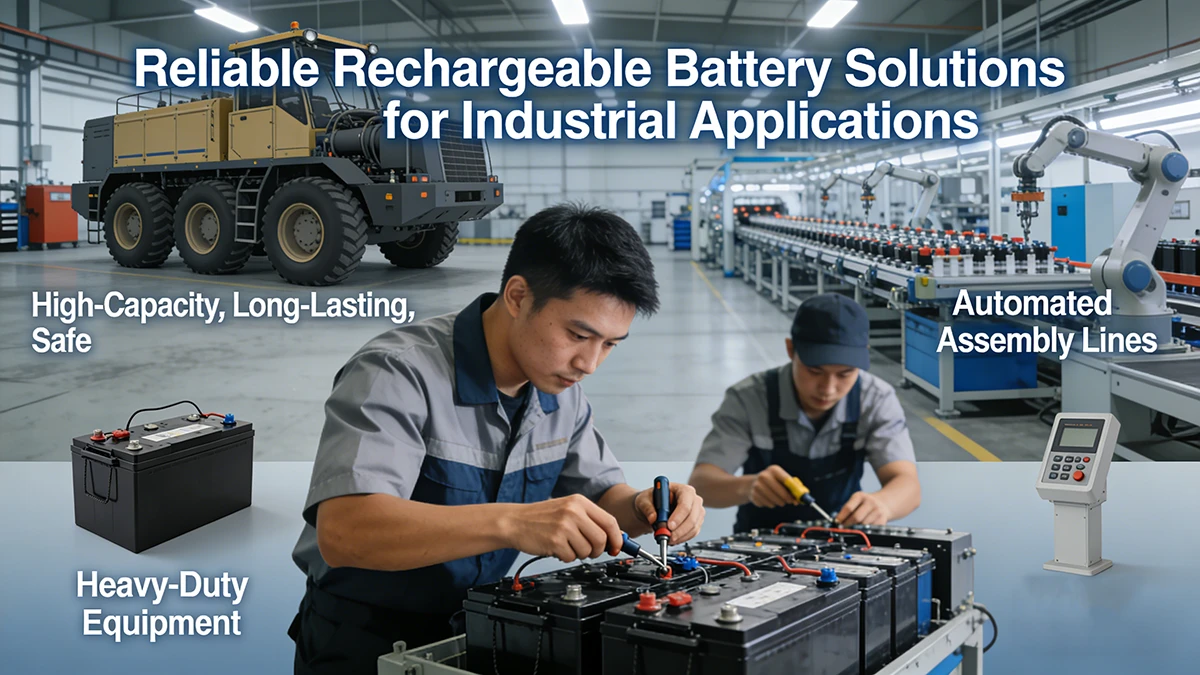
Mottcell focuses on delivering reliable rechargeable battery solutions tailored for industrial and OEM customers.
Our strengths include:
Advanced lithium-ion production capability
Professional 18650 rechargeable battery manufacturing
Strict quality control systems
OEM customization support
Stable global export experience
As an experienced 18650 rechargeable battery manufacturer and supplier, Mottcell provides scalable solutions designed for long-term reliability and industrial performance.
To recharge li ion battery systems safely, use compatible chargers, avoid over-discharge, and maintain moderate charging temperatures. Mottcell lithium-ion solutions integrate protective circuitry for enhanced industrial safety.
Rechargeable batteries should be charged according to manufacturer specifications, stored properly, and maintained within recommended voltage ranges to ensure optimal lifespan.
Many NiMH rechargeable batteries operate at 1.2V due to their chemical properties. Lithium-ion batteries, such as 3.7V 18650 cells, provide higher voltage and better energy density for industrial applications.
High-quality lithium-ion rechargeable batteries rarely leak under proper usage. Leakage is more common in low-grade alkaline batteries. Mottcell’s industrial-grade rechargeable batteries undergo strict quality testing to ensure safety.
Contact us for a custom [cylindrical battery pack solution]
Related News
Efficient 14650 Cylindrical Battery Factory Insights
Reliable 32650 Cylindrical Battery Factory for OEM Cells and Packs
Efficient AA Cylindrical Battery Factory: Production & Tech
AAA Cylindrical Battery Factory: 3.2V LiFePO4 Specialized Production Base
18500 Cylindrical Battery Factory Insights
22650 Cylindrical Battery Factory for OEM Cell and Pack Supply
26700 Lithium Ion Battery Manufacturer for OEM Applications
36V 314Ah Battery Pack Manufacturer: OEM Buying Guide
26700 LiFePO4 Battery Manufacturer: 4000-5000mAh Cells
Commercial HESS Supplier: Factory Microgrid Sizing Guide
5kWh HESS Supplier: Home Solar Battery & OEM Options
48V 280Ah HESS Supplier: Solar Battery OEM Buying Guide
12V 314Ah Battery Pack Manufacturer: OEM Buying Guide
48V 300Ah HESS Supplier: Voltage, Runtime and OEM Guide
48V 100Ah HESS Supplier: 5.12kWh Solar OEM Buying Guide
Established in 2005
In 2009, it was awarded the title of "National High tech Enterprise"
 zoe@mottcell.net
WhatsApp: 8617388790296
Fax: 86-0755-84042963
Skype: live:b0ebaecbb8782516
WeChat: +8613428749632

 VR show
 CN
CN Home >


