

 Jan 14, 2026


Mottcell's published IFR26700 range covers 3.2V LiFePO4 cells in 4000, 4600 and 5000mAh options. This guide helps OEM buyers compare the listed dimensions and prepare cell and pack requirements before requesting a quotation. Confirm the selected model's current limits, test conditions and supporting documents before approving a design.
Start with the model table below, then use the sourcing checklist to define your sample order. The figures come from Mottcell's published cylindrical cell catalogue, reviewed on October 8, 2026. They describe individual cells, rather than a completed battery pack. Stock availability, terminal configuration and the applicable datasheet revision should be confirmed with your quotation.
| Model | Nominal voltage | Listed capacity | Listed diameter | Listed height |
|---|---|---|---|---|
| IFR26700 | 3.2V | 4000mAh | 26.3 ± 0.3mm | 71 ± 0.5mm |
| IFR26700 | 3.2V | 4600mAh | 26.3 ± 0.3mm | 71 ± 0.5mm |
| IFR26700 | 3.2V | 5000mAh | 26.3 ± 0.3mm | 71 ± 0.5mm |
The shared format name does not make these cells interchangeable with every battery labelled 26700. Use the listed physical tolerances and a model-specific drawing when checking fit. Treat capacity as a value measured under defined conditions, rather than a guarantee of runtime at any load. Send Mottcell your cell or pack requirements to confirm the appropriate variant and request the corresponding technical documents.
The number 26700 describes a cylindrical size family. It does not, by itself, identify chemistry, charging requirements, current capability or protection features. Mottcell's IFR26700 entries sit in its 3.2V lithium iron phosphate range. An OEM specification should therefore identify both the size family and the intended chemistry. A purchase order that says only “26700 lithium battery” leaves information missing that the engineering and receiving teams need.
For a replacement design, first record the original cell designation, charger settings and protection thresholds. Changing chemistry can change the voltage behaviour of the pack, even when a cell fits inside the existing holder. Check the complete operating voltage range against the equipment and charging system. Do not approve a substitution solely because the new cell has the same nominal diameter or a larger advertised capacity.
LiFePO4 chemistry also does not remove the need for protection, controlled charging, mechanical insulation and application testing. Avoid using a chemistry label as evidence that a cell cannot fail or that a completed pack meets a safety standard. Your design review should identify foreseeable electrical, mechanical and environmental stresses. Ask the supplier for the limits and supporting evidence that apply to the particular model being quoted.
Capacity comparisons become useful when the test conditions are comparable. Ask how capacity is measured, including temperature, charge procedure, rest periods, discharge current and end voltage. Record whether the quotation specifies a minimum value, a typical value or a catalogue nominal value. If two suppliers use different procedures, their headline capacities may not describe the same performance. Agree on the method before using it for sample acceptance.
The conversion between mAh and Ah is straightforward: 4000mAh equals 4Ah, 4600mAh equals 4.6Ah and 5000mAh equals 5Ah. Multiplying these capacities by the listed nominal voltage of 3.2V gives nominal arithmetic energy estimates of 12.8Wh, 14.72Wh and 16Wh per cell. These calculations are for preliminary comparison. Actual delivered energy depends on the discharge profile, voltage curve, temperature and permitted operating window.
A higher capacity variant may help when the enclosure or number of cells is fixed. It does not establish that the variant can deliver a higher continuous current or operate cooler in your equipment. Compare capacity, current limits, dimensions and thermal behaviour separately. For equipment with short load peaks, include the peak duration and repetition interval. For equipment with sustained loads, measure the complete operating cycle rather than a single convenient operating point.
A useful purchasing comparison also includes the assembled pack. Cell count, connections, protection hardware, usable operating range and conversion losses all affect the energy available to the load. Keep a cell-level comparison separate from a pack-level quotation. Otherwise, a nominal capacity advantage can be lost in a design that cannot use the full permitted operating window or that reaches its protection limits under normal demand.
The catalogue lists a diameter of 26.3 ± 0.3mm and a height of 71 ± 0.5mm for these IFR26700 variants. Those figures are more useful for screening than assuming an exact 26mm by 70mm cylinder from the format name. Ask whether the drawing describes the bare cell, insulated cell or supplied terminal arrangement. Confirm how any tabs, sleeves, insulating rings or connectors affect the finished assembly dimensions.
Provide the supplier with the space available for the cells and the completed pack. Include holder clearances, enclosure features, cable exits and the location of protection electronics. Tolerance accumulation matters when several cells share a holder or tightly constrained housing. Check the largest permitted cell dimensions against the smallest permitted enclosure dimensions. Include the space needed for insulation and the assembly process, rather than drawing cells directly against a housing wall.
Mechanical approval should also address handling and maintenance. Identify whether a pack is permanently installed or regularly removed, and how it will be restrained during transport and operation. Confirm the intended assembly method with qualified engineering personnel. Terminal joining, insulation and strain relief require a defined process. A cell drawing is an input to that process, rather than proof that an existing welding setup or holder is suitable without validation.
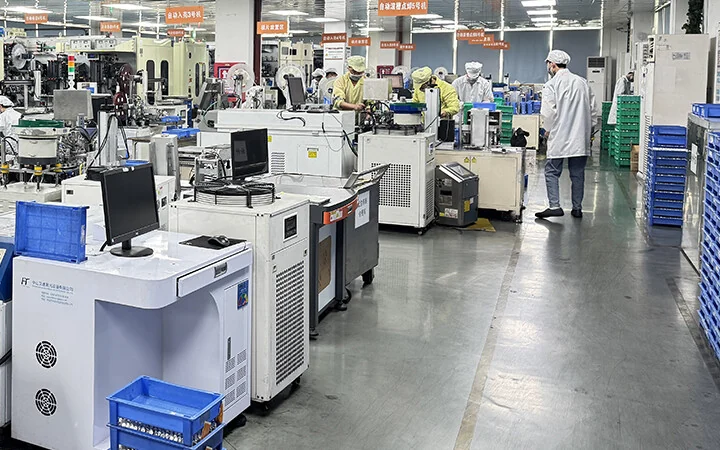
Give the supplier a load profile with continuous demand, peak current, peak duration and the frequency of those peaks. Also specify the lowest and highest expected operating temperatures and the installation conditions. These inputs allow engineering teams to check the selected cell and pack configuration. A maximum current in a catalogue should not be relabelled as an unrestricted continuous rating when the duration and thermal conditions are not stated.
Charging requirements need their own review. Supply the charger model, operating schedule and available charging time. Confirm the permitted charge voltage, charge current, termination behaviour and charging temperature range for the selected cell. The application should also account for storage and standby operation. A system that charges occasionally in a controlled room has a different operating profile from equipment repeatedly charged in a hot, enclosed installation.
At pack level, review protection and connection ratings alongside the cell limits. The BMS, fuse, busbars, wiring and connectors can each constrain the system. Confirm the protection thresholds and recovery behaviour, including what happens after overcurrent or undervoltage protection activates. These settings should support the equipment's normal operating sequence while remaining within the agreed limits. A larger cell capacity cannot compensate for an unsuitable protection or connection design.
Series connections increase nominal pack voltage, while parallel connections increase nominal capacity. For illustration, four 3.2V cells in series give a nominal 12.8V arrangement. That arithmetic does not define the pack's full charging or discharging range, and it does not establish compatibility with every product described as “12V”. Specify the equipment's actual acceptable voltage window and have the charging and protection design reviewed against it.
Similarly, two parallel 4Ah cells represent a nominal 8Ah group in a simplified capacity calculation. Real pack performance depends on cell matching, current sharing, connection resistance, temperature and protection. Use preliminary arithmetic to frame the request for quotation, then validate the assembled design. If the required output is specified in watts, supply the operating voltage range as well. The current demand can change as voltage changes during discharge.
For a complete OEM pack, include target voltage, capacity or energy, operating current, connectors, communication requirements and enclosure limits. Identify which specifications are mandatory and which are preferences. A supplier can then explain where the cell configuration, protection hardware or mechanical design needs adjustment. Mottcell's 12V LiFePO4 capacity guide provides related planning context when your project concerns a nominal 12V class system.
Agree on sample acceptance before placing a production order. Identify the model, datasheet revision, sample quantity and tests to be completed. State which measurements apply to individual cells and which apply to the assembled pack. Use representative loads and operating conditions. A short bench demonstration can confirm basic function, but it does not establish performance across the full operating environment or expected service life.
Receiving checks can include identity, quantity, visible condition, dimensions and measurements performed under the agreed method. Record instrument settings, temperature and relevant rest periods so results can be interpreted consistently. Compare the samples against agreed limits rather than an unrelated catalogue value. If a result falls outside a limit, document it and investigate the cause before using the cells in a pilot build or changing the acceptance criteria.
Pilot testing should use the intended charger, protection settings, enclosure and duty cycle. Log temperatures, voltage behaviour and any protection events. Review startup, sustained operation, charging and recovery from a normal shutdown. Where the application has unusual vibration, humidity or operating temperature requirements, include those conditions in the engineering plan. Specify the applicable test procedure rather than assuming that a successful room-temperature test covers every installation.
| Review item | Information to agree | Evidence to retain |
|---|---|---|
| Cell identity and capacity | Exact variant, datasheet revision and capacity method | Quotation, sample identification and measurement report |
| Mechanical fit | Drawing, tolerances, terminals and insulation | Approved assembly drawing and fit-check record |
| Electrical operation | Load profile, charger and protection thresholds | Representative cell and pack test results |
| Application and market requirements | Required tests and model-specific documents | Relevant reports, document references and approval records |
Ask how the quoted cells will be identified and traced through sampling and production deliveries. Relevant information can include model designation, batch references, inspection records and the agreed packaging identification. Define which records your receiving team needs and when they will be supplied. Traceability is useful when investigating a production issue or comparing later shipments with the approved samples. Agree on the required detail instead of assuming every supplier follows the same record system.
Discuss changes that could affect an approved design. Your purchasing agreement can identify when notification and revalidation are required, such as a change to the supplied terminal arrangement, cell specification or pack configuration. Keep an approved technical reference with the purchase order. If a later quotation proposes a substitute, review it against that reference. A matching format name or nominal capacity is insufficient evidence that the substitute has the same operating characteristics.
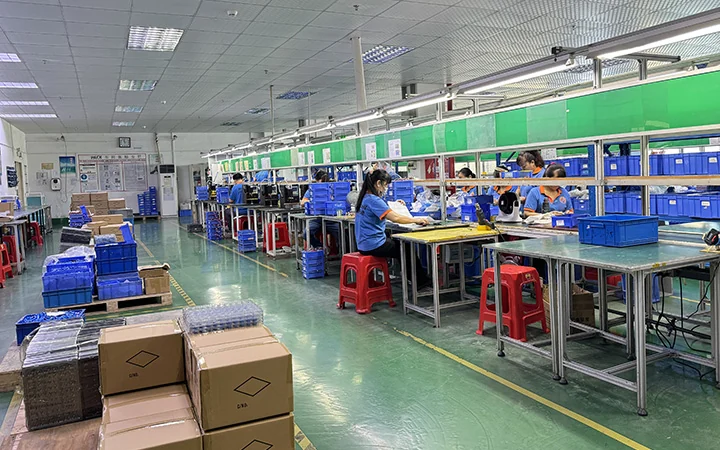
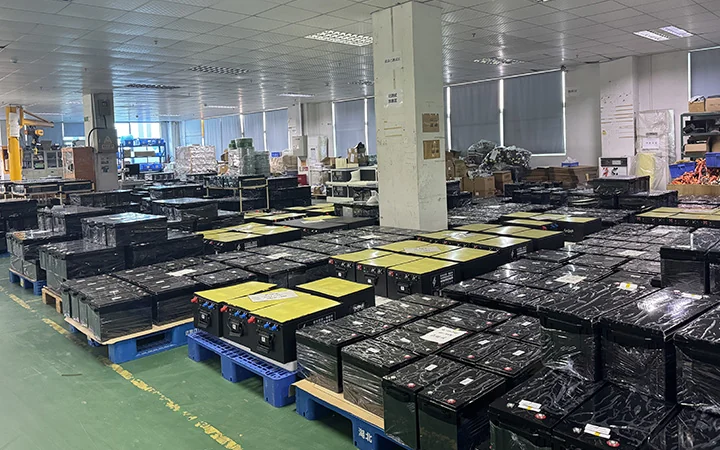
Mottcell's company quality-control information offers background for supplier evaluation. Use that background to prepare specific questions about the quoted IFR26700 variant. General company information and factory photographs do not establish the performance or certification status of an individual model. For purchasing approval, retain the documents and sample results that identify the actual product and configuration being supplied.
Tell the supplier where the cells or finished pack will be sold and how they will be transported. Identify any documentation requirements from your customer, testing organisation, carrier or importer. Confirm which requirements apply to the cell and which apply to the completed pack or end product. A document for one model does not automatically establish compliance for another model, a modified pack or the equipment into which that pack is installed.
When requesting a certificate or test report, check the named manufacturer, model reference, test scope and issuing organisation. Ask for the relevant transport test summary and other shipping documents where required for the shipment. Keep these records associated with the exact supplied configuration. Avoid accepting a list of certification acronyms as a substitute for the documents needed by your compliance and logistics teams. Confirm the current requirements with the appropriate parties for the actual destination and transport route.
Cycle-life statements also require context. Ask about charge and discharge rates, temperature, depth of discharge and the capacity threshold used to define the test endpoint. Consider whether the test resembles your operating schedule, including standby time and charging behaviour. A cycle count under one set of conditions is not a warranty for every application. Record the applicable warranty terms separately from engineering test information and any indicative catalogue figures.
A useful request for quotation begins with the required IFR26700 capacity variant or explains why the variant is still open. State whether you need individual cells, cells with a specified terminal arrangement or a completed pack. Provide application details, quantities for sampling and expected production demand. Indicate the delivery destination and requested schedule. Where the design is still being developed, identify the decisions that need supplier input so assumptions are visible.
Add electrical and mechanical requirements in a concise specification. Include the operating voltage window, continuous and peak current profile, charging method, temperature conditions and available installation space. For a pack, include connector and communication requirements and any enclosure constraints. Attach the relevant drawings or load measurements through the agreed sales process. These details let suppliers compare the same project and reduce the need to revise a quote after samples arrive.
Finally, ask for a response that separates the technical proposal, sample plan, document availability, commercial terms and delivery assumptions. Check whether quoted prices cover the same configuration and included services. Do not compare a bare-cell price with a tested, enclosed pack price as though they represent the same supply. Evaluate the cost of qualification and integration alongside the unit price, using actual project inputs rather than an unverified savings percentage.
After sample testing, close any discrepancies in writing and confirm the approved specification. Retain the final drawing, cell designation, protection settings and required documents with the purchasing record. Identify which aspects of the sample build must remain the same in production. A clear approval record helps engineering, purchasing and receiving teams evaluate later deliveries against a common reference rather than relying on email descriptions or an old product photograph.
Plan the initial production delivery so the receiving and assembly teams can check the agreed information. Record any differences and resolve them before expanding deployment. If the operating load, charger, enclosure or destination market changes, review the affected parts of the design again. The resulting process connects cell selection with repeatable purchasing decisions. It also gives the supplier specific evidence when technical support is needed during integration or later operation.
Mottcell's published cell catalogue lists 4000, 4600 and 5000mAh IFR26700 variants at a nominal 3.2V. The table above reproduces the listed dimensions. Confirm availability, the exact variant and the applicable datasheet with your quotation before approving a cell for production.
No. Confirm chemistry, voltage limits, physical tolerances, terminals, current requirements and charging conditions. A shared size-family name does not prove compatibility with an existing charger, holder or protection circuit. Validate the proposed replacement in the intended assembly and operating conditions.
Send the capacity variant or target pack specification, operating current profile, charger details, enclosure limits, application, quantities and destination market. Identify the documents and sample tests required for approval. Contact Mottcell with your IFR26700 project requirements to discuss a model-specific proposal.
18650 Battery Manufacturer: Cell Specs & OEM Checklist
12V 300Ah Battery Pack: Runtime, BMS and OEM Buying Guide
48V HESS Supplier: Inverter Matching & OEM Checklist
4860 Battery Supplier Guide: Cell Specs & OEM Checks
36V 314Ah Battery Pack Manufacturer: OEM Buying Guide
26700 LiFePO4 Battery Manufacturer: 4000-5000mAh Cells
Commercial HESS Supplier: Factory Microgrid Sizing Guide
5kWh HESS Supplier: Home Solar Battery & OEM Options
Established in 2005
In 2009, it was awarded the title of "National High tech Enterprise"
 zoe@mottcell.net
WhatsApp: 8617388790296
Fax: 86-0755-84042963
Skype: live:b0ebaecbb8782516
WeChat: +8613428749632

 VR show

 CN
 Home >


