

 Jan 31, 2026


In the modern manufacturing landscape, selecting the right energy source is a foundational engineering decision. Whether you are designing the next generation of medical devices, tactical flashlights, or portable industrial sensors, understanding the nuances of small battery technology is critical. From the ubiquitous 18650 cell to specialized button cells, the choice of chemistry and form factor dictates product safety, runtime, and brand reputation.
As a leading power solution provider, Mottcell has spent decades refining the manufacturing processes for these high-performance cells. In this comprehensive guide, we will provide common small battery types explained through the lens of industrial OEM requirements, helping you navigate the complex world of electrochemical storage.
| Battery Model | Diameter (mm) | Height (mm) | Typical Capacity | Best Industrial Use |
| 10440 (AAA) | 10 mm | 44 mm | 200 - 350mAh | Medical Sensors, Laser Pens |
| 14500 (AA) | 14 mm | 50 mm | 600 - 900mAh | Portable Instruments, Lighting |
| 16340 (CR123A) | 16 mm | 34 mm | 600 - 800mAh | Security Cameras, Flashlights |
| 18500 | 18 mm | 50 mm | 1200 - 1600mAh | Specialized Industrial Tools |
| Custom Li-Po | Flexible | Thin (1-5mm) | 50 - 2000mAh | Wearables, Slim Electronics |
When discussing high-performance rechargeable cells, 18650 batteries are the undisputed leader. The name refers to the cell's dimensions: 18mm in diameter and 65mm in length. This cylindrical form factor has become the global standard due to its perfect balance of capacity and size.
For factory procurement, the battery 18650 lithium ion battery is prized for its high energy density and low self-discharge rate. However, not all 18650s are created equal. Industrial designers must choose between "protected" cells (which include a PCB to prevent overcharge) and "unprotected" cells, depending on the integrated management system of their device.
In the B2B market, the best 18650 batteries are defined by consistency and safety certifications rather than just raw capacity. A high-quality lithium ion 3.7 volt battery from a certified manufacturer ensures that every cell in a multi-cell pack performs identically, preventing premature system failure.
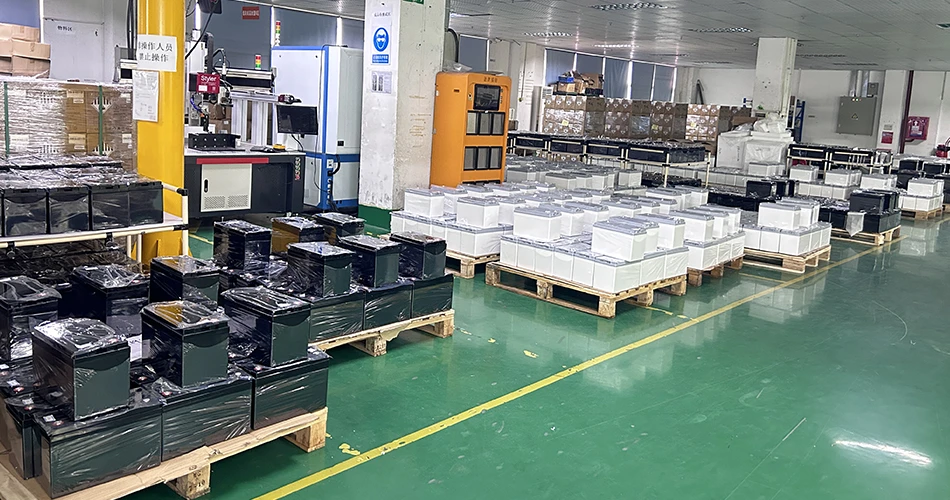
The 3.7v lithium ion battery is the most common chemical platform for rechargeable portables. While the nominal voltage is 3.7V, these cells typically operate in a range between 3.0V (empty) and 4.2V (fully charged).
Cycle Life: Quality cells can withstand 500 to 1,000+ full charge cycles.
No Memory Effect: Unlike older Ni-Cd batteries, a 3.7v lithium ion battery does not need to be fully discharged before recharging.
High Discharge Rates: Essential for power tools and drones that require high-current bursts.
At Mottcell, our 3.7v lithium ion battery production lines utilize vacuum electrolyte injection to ensure maximum ion mobility and thermal stability, meeting the rigorous demands of industrial OEMs.
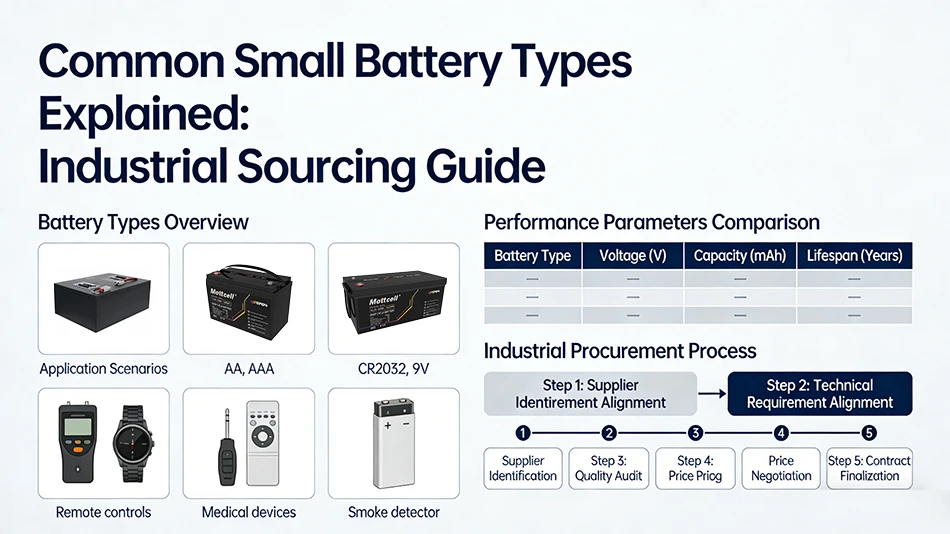
For devices where space is a premium, smaller cylindrical alternatives like 18350 batteries and 16340 batteries offer powerful solutions without the bulk of a full 18650.
These cells are 18mm wide but only 35mm long. They are frequently used in compact tactical gear and high-end vaping devices. Despite their smaller stature, high-quality 18350s can provide significant current output, making them a favorite for engineers who need 18650-level power in a "stubby" form factor.
Commonly referred to as RCR123A batteries, 16340 batteries are the rechargeable counterparts to the CR123A primary lithium cells. They are 16mm wide and 34mm long. For factories moving away from disposable batteries, switching to a 16340 system can reduce long-term operating costs for the end-user while improving the eco-profile of the product.
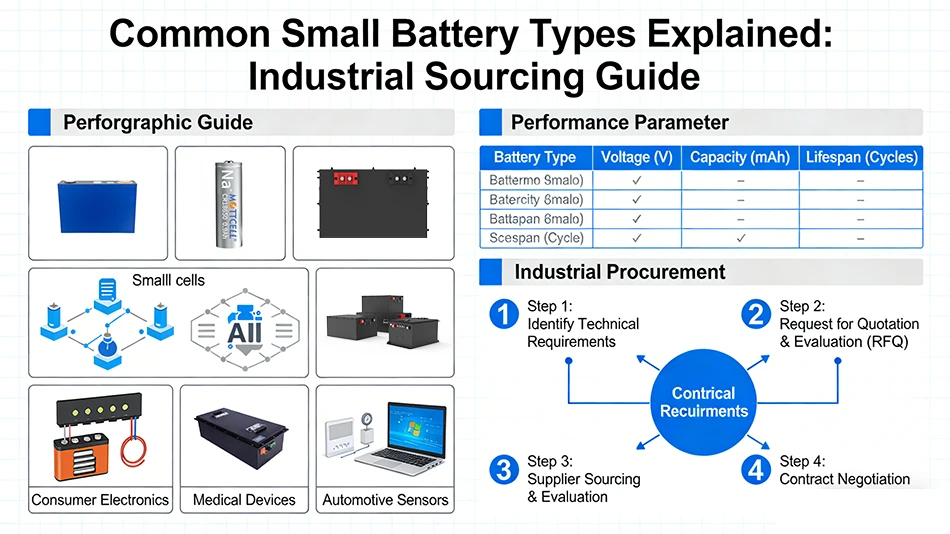
In the industrial world, safety is a non-negotiable metric. One of the most common failure modes in lithium-ion technology is the swelling cell phone battery (or pouch cell swelling).
Swelling is usually the result of "off-gassing," which occurs when the battery's electrolyte breaks down due to:
Overcharging: Using a non-calibrated charger.
Heat Exposure: Operating the device in high-temperature environments without proper thermal management.
Manufacturing Defects: Impurities in the cell during the production phase.
As a manufacturer, Mottcell prevents these issues by using high-porosity ceramic-coated separators that prevent internal micro-shorts, ensuring your device never suffers the reputation-damaging effects of a swollen or failed battery.
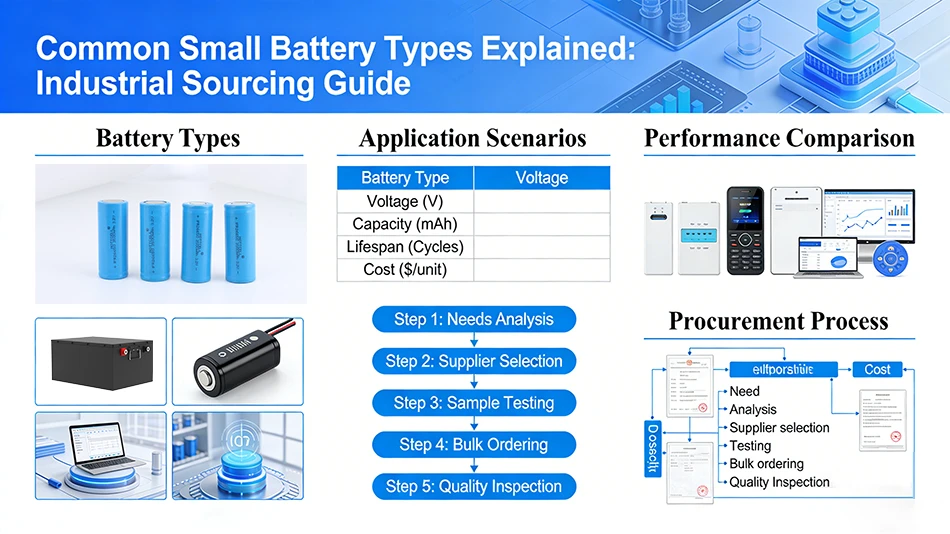
Many OEMs are currently evaluating the 21700 battery vs 18650 for new product lines. The 21700 (21mm x 70mm) is slightly larger but offers up to 50% more energy capacity.
Capacity: 18650s max out around 3500mAh, while 21700s can reach 5000mAh.
Cost Efficiency: While the per-cell cost of a 21700 is higher, you may need fewer cells to achieve the same total pack capacity, potentially lowering assembly costs.
Thermal Management: The larger surface area of the 21700 allows for more efficient cooling in high-load applications like electric vehicles or e-bikes.
For low-drain applications like remote controls, sensors, and medical wearables, lithium coin cells are the standard. A common source of confusion is the difference between 2025 and 2032 batteries.
The numbers describe the size:
CR2025: 20mm diameter, 2.5mm thickness.
CR2032: 20mm diameter, 3.2mm thickness.
The CR2032 is the recommended 18650 battery companion in small electronics because its extra 0.7mm of thickness allows for significantly higher mAh capacity (typically 225mAh vs. 165mAh). Unless your device is ultra-slim, the 2032 is almost always the superior choice for longevity.
When auditing a battery factory, look for the following "Recommended" traits:
Certifications: UL1642, IEC62133, and UN38.3 are essential for global distribution.
Automated Matching: A professional supplier like Mottcell ensures that cells in a pack are matched for voltage and internal resistance within a 1% margin.
BMS Integration: A recommended 18650 battery solution should always be paired with an intelligent Battery Management System designed specifically for the cell's chemistry.
For smartphones and laptops, Lithium-ion Polymer (Li-Po) or high-energy-density 18650 batteries (in the case of older laptops) are best. Mottcell specializes in high-energy-density Li-Po cells that allow for the thin form factors required by modern mobile tech while maintaining safety.
Standard alkaline batteries are NOT rechargeable. Attempting to charge them can cause leakage, fire, or explosion. If your industrial application requires frequent battery changes, we recommend switching to a 3.7v lithium ion battery system to reduce waste and total cost of ownership.
To maximize battery 18650 lithium ion battery life:
Avoid deep discharges (keep charge between 20% and 80%).
Store at room temperature.
Use a high-quality, calibrated charger specifically for lithium-ion.
Never puncture, crush, or expose batteries to fire. If you notice a swelling cell phone battery, stop using the device immediately and remove the battery if possible. Mottcell integrates physical safety vents in every cylindrical cell to prevent pressure buildup.
Lithium and alkaline batteries should never be thrown in the trash. They must be taken to specialized recycling centers to recover materials and prevent environmental contamination. Mottcell partners with global recycling programs to ensure our products have a circular lifecycle.
Generally, no. Even if a battery fits physically, the voltage difference (e.g., 1.5V Alkaline vs. 3.7V Lithium) can destroy the device's circuitry. Always follow the manufacturer's recommended battery types.
Understanding common small battery types explained is the first step toward building a more reliable product. Whether you need the high capacity of the best 18650 batteries or the space-saving efficiency of 16340 batteries, Mottcell has the manufacturing expertise to deliver safe, consistent power.
Related News
Industrial 18650 Cylindrical Battery Factory: Dual-Technology Bulk Production for Global Markets
Leading 18650 Rechargeable Battery Manufacturer for OEM Projects
16340 LiFePO4 Battery Factory: Quality & Innovation
16340 Cylindrical Battery Factory: Inside Lithium Production
High-Quality 3.2V 16340 Lithium Ion Battery Factory
Rechargeable Battery Manufacturer: Custom AAA OEM Cells
The Lead-to-Lithium Transition: A Strategic Deep Dive
Cylindrical, Prismatic, or Pouch: Which Battery Format Keeps Your Project Safe — and Profitable?
Comparing Rechargeable Battery Types | Industrial Guide
Alkaline vs Rechargeable Battery | Industrial Choice Guide
Lithium Polymer vs Lithium Ion: The Professional Industrial Guide | Mottcell
LiFePO4 vs Lead Acid: The Ultimate Guide for Industrial Applications
Lithium Ion Battery Manufacturer: Custom High-Capacity Cells for OEM Projects | Mottcell
Established in 2005
In 2009, it was awarded the title of "National High tech Enterprise"
 zoe@mottcell.net
WhatsApp: 8617388790296
Fax: 86-0755-84042963
Skype: live:b0ebaecbb8782516
WeChat: +8613428749632

 VR show
 CN
CN Home >


