

 Jan 07, 2026


The world of batteries is vast and intricate, especially when it comes to lithium ion cells. Among them, the 3.2V 16340 lithium ion battery stands out for its unique features and applications. In this article, we'll delve into the specifics of these batteries and explore what makes a 3.2V 16340 lithium ion battery factory tick.
Lithium ion cells are rechargeable batteries commonly used in a variety of electronic devices. Known for their high energy density, these cells have become the go-to choice for many manufacturers. They offer several advantages over traditional batteries, including longer lifespan, lighter weight, and higher efficiency.
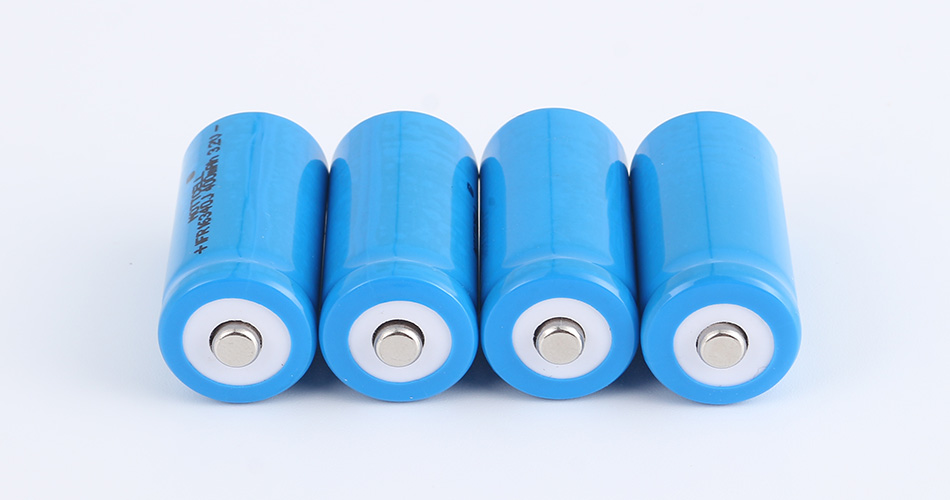
The 16340 lithium ion battery is a specific type of lithium ion cell, often compared to the CR123A battery. It is cylindrical and known for its compact size, measuring approximately 16mm in diameter and 34mm in length. This size makes it ideal for devices that require a small form factor but still need a reliable power source.
Voltage: The nominal voltage of these batteries is 3.2 volts, which is slightly lower than other lithium ion cells that usually offer 3.7 volts. This makes them suitable for specific applications.
Capacity: Typically, these batteries offer a capacity ranging from 600mAh to 800mAh, providing a balance between power and size.
Rechargeable: Like other lithium ion cells, the 16340 is rechargeable, offering a cost-effective and environmentally friendly solution for powering devices.
The versatility of 16340 batteries means they are used in various applications, from flashlights to security systems. Their compact size and reliable power output make them a popular choice for portable devices that require consistent energy supply.
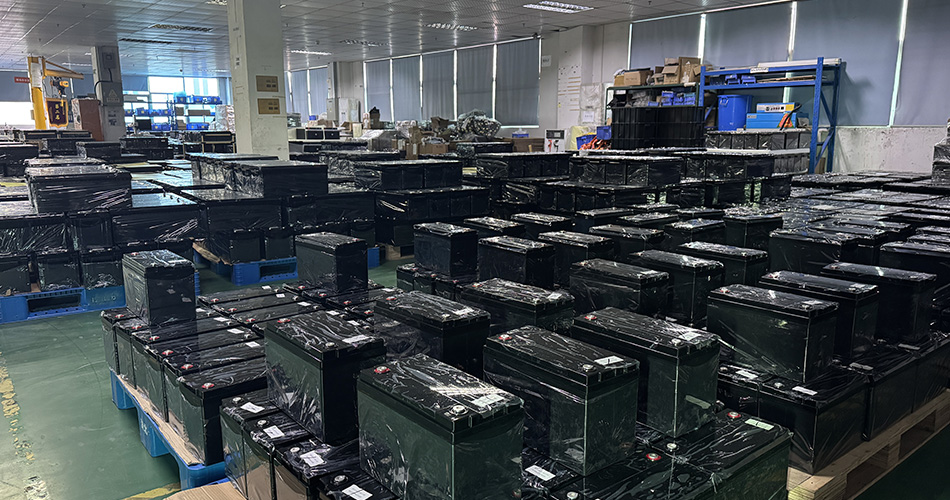
Producing lithium ion batteries is a complex process that requires precision and advanced technology. Let's take a closer look at what happens inside a 3.2V 16340 lithium ion battery factory.
A battery factory begins with sourcing high-quality raw materials, including lithium, cobalt, nickel, and manganese. These materials are essential for creating the electrodes and electrolyte that form the core of the battery cell.
The production process starts with the creation of electrodes. This involves mixing active materials with binders and conductive agents, which are then coated onto metal foils. These foils serve as the current collectors in the battery.
Once the electrodes are prepared, the next step is cell assembly. This involves stacking or winding the electrodes with separators and encasing them in a cylindrical shell. The assembly process must be carefully controlled to ensure the quality and safety of the battery.
After assembly, the electrolyte is added to the cell. This liquid facilitates the movement of ions between the electrodes during charging and discharging. Once filled, the cell is sealed to prevent leakage and protect the internal components.
The newly assembled cells undergo a formation process, where they are charged and discharged several times to activate the materials inside. This step is critical for optimizing the battery's performance and ensuring long-term stability. After formation, the cells are aged for a period to further stabilize their chemical properties.
Quality control is a critical aspect of any battery manufacturing process. In a 3.2V 16340 lithium ion battery factory, several measures are taken to ensure each cell meets stringent quality standards.
Every batch of batteries undergoes rigorous testing to assess their performance, safety, and reliability. This includes checking the voltage, capacity, internal resistance, and cycle life of the cells. Any defects identified during testing are addressed before the batteries are shipped.
Lithium ion batteries must meet specific safety standards to prevent issues like overheating and short-circuiting. Factories implement safety measures such as thermal management systems and protective circuits to mitigate these risks.
As technology advances, the demand for efficient and compact energy storage solutions continues to grow. The 3.2V 16340 lithium ion battery is poised to play a significant role in this future, with ongoing research focused on improving their energy density, lifespan, and safety features.
Researchers are exploring new materials and technologies to enhance the performance of lithium ion cells. From solid-state electrolytes to nanomaterial coatings, these innovations promise to revolutionize the capabilities of the 16340 battery and expand its applications.
With growing concerns about environmental impact, battery manufacturers are also focusing on sustainable practices. This includes developing recycling programs and using eco-friendly materials to minimize waste and reduce the carbon footprint of battery production.
The 3.2V 16340 lithium ion battery represents a crucial component in the world of portable power solutions. Understanding the intricacies of their production and the innovations shaping their future is essential for anyone interested in the field of battery technology. As demand for these versatile power sources continues to rise, the factories that produce them will remain at the forefront of technological advancement, driving the industry toward a more efficient and sustainable future.
Related News
Rechargeable Batteries: A Cost-Effective Solution for Sustainable Business
Lithium Battery Safety & Usage: Industrial Guide for Factories
Comparing Rechargeable Battery Types: Li-Ion vs NiMH Industrial Guide
The Ultimate Guide to Lithium Batteries for Industrial OEMs | Mottcell
Common Small Battery Types Explained: Industrial Sourcing Guide
Industrial 18650 Cylindrical Battery Factory: Dual-Technology Bulk Production for Global Markets
Leading 18650 Rechargeable Battery Manufacturer for OEM Projects
16340 LiFePO4 Battery Factory: Quality & Innovation
16340 Cylindrical Battery Factory: Inside Lithium Production
Top 16340 LiFePO4 Battery Supplier: Quality & Reliability
High-Quality 3.2V 16340 Lithium Ion Battery Factory
16kWh HESS Supplier: 51.2V 314Ah Buyer’s Guide
5kWh HESS Supplier: Indoor Modular Battery Buying Guide
48V 200Ah HESS Supplier: Voltage & Inverter Fit Guide
15kWh HESS Supplier: Capacity & Home Backup Runtime Guide
10kWh HESS Supplier: Home Solar Storage Buying Guide
12V LiFePO4 Battery Pack Manufacturer for OEM Projects
51.2V HESS Battery Supplier | Solar Storage OEM Guide
AGV Lithium Battery: High-Power Industrial LiFePO4 Units
Established in 2005
In 2009, it was awarded the title of "National High tech Enterprise"
 zoe@mottcell.net
WhatsApp: 8617388790296
Fax: 86-0755-84042963
Skype: live:b0ebaecbb8782516
WeChat: +8613428749632

 VR show
 CN
CN Home >


